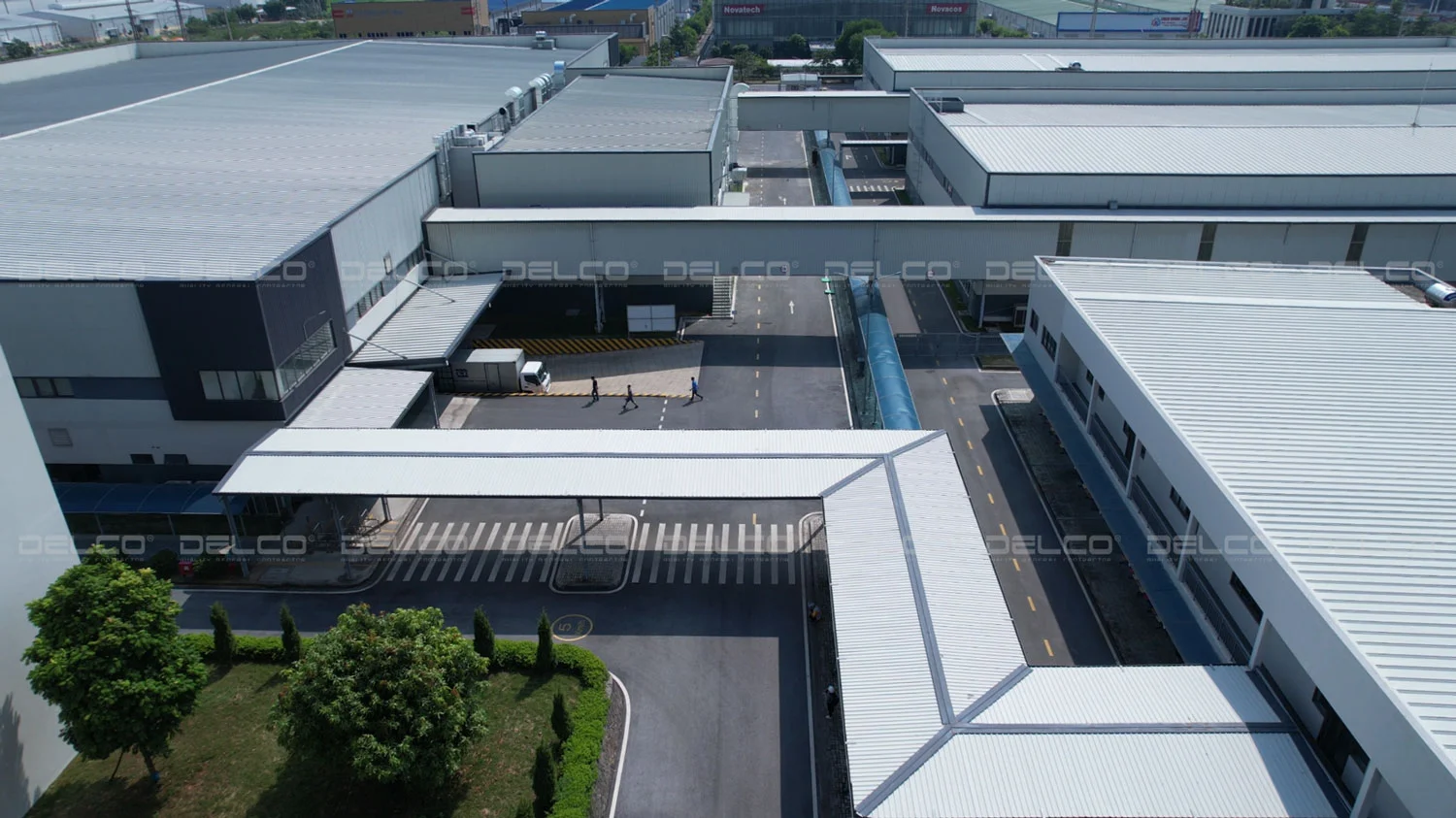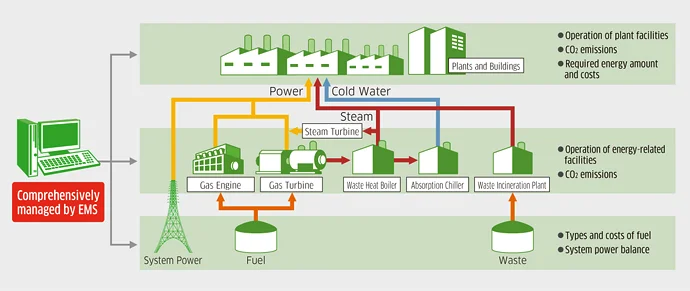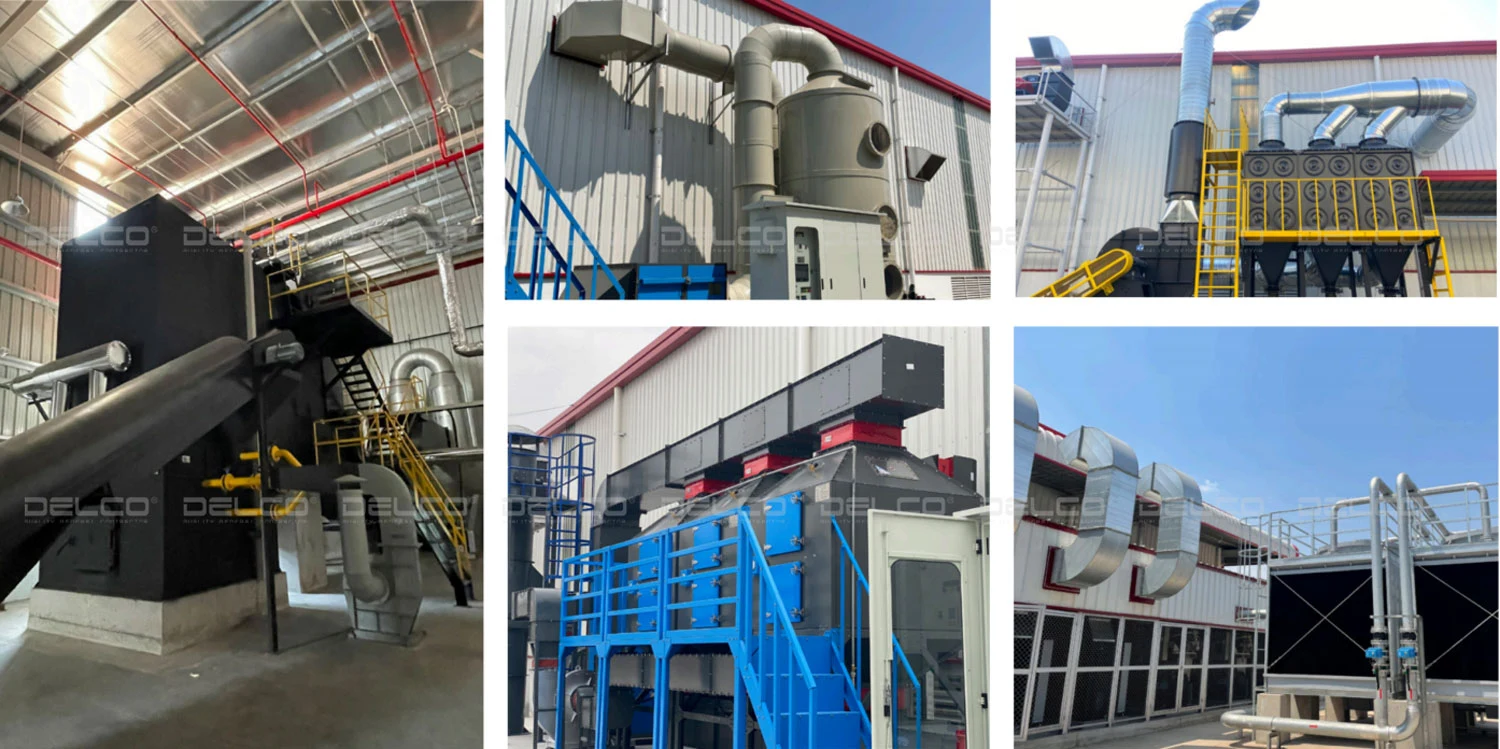


Building an industrial factory is not simply a construction task. It is a process that involves optimizing production flow, ensuring legal compliance, and managing operational risks. In recent years, the Design and Build (D&B) model has been widely adopted by investors due to its ability to shorten schedules and ensure consistency between architecture, structure, MEP systems, and production technology.

1. What is a Design & Build (D&B) general contractor?
A Design & Build (D&B) contractor is responsible for the entire process—from design → permitting → construction → inspection → handover.
Unlike the traditional model (where design is completed before hiring a contractor), the D&B model integrates both design and construction in one continuous workflow.
Key features of the D&B model:
- A single contact point responsible for technical matters, legal compliance, schedule, and quality
- Highly practical and detailed design work because it is directly linked to the construction process
- Reduced risks through early coordination of architecture, structure, and MEP systems
- Optimization of overall solutions rather than isolated design packages

2. When should you choose the D&B model?
When the project needs to minimize risks
Instead of separating design and construction, D&B unifies all stages into a single flow, helping to:
- Avoid conflicts between design documents and actual construction
- Reduce rework and structural alterations
- Limit time and cost increases caused by design clashes or the need to revise permits
- Improve control over quality and schedule
When the investor needs integrated design from the beginning
Industrial factories have unique characteristics such as:
- Heavy machinery loads
- Strict environmental and working conditions
- Complex MEP systems
- Extensive fire safety and environmental permitting requirements
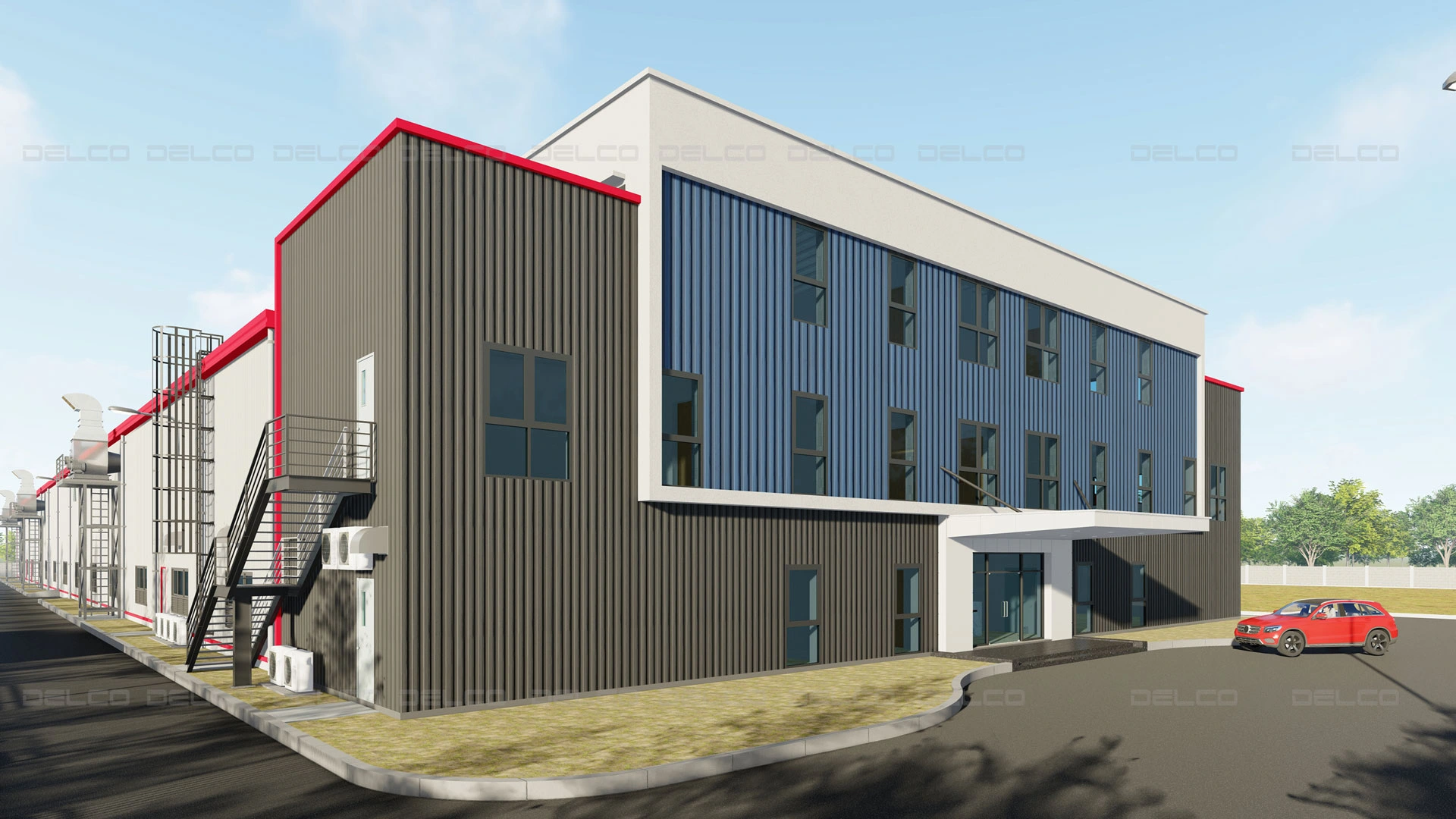
The D&B model allows all of these factors to be addressed in a unified manner at the design stage, ensuring that architecture, structure, MEP, and production technology systems are coordinated and aligned with the actual production workflow.
When stability is more important than speed
The design phase in the D&B model may take longer than in traditional project delivery. However, construction tends to proceed more smoothly with fewer changes. This approach is suitable for projects that prioritize:
- Consistent quality
- Thorough and detailed design
- Stable construction with minimal variation
- Low operational risk
When the investor does not have an in-house technical team
A D&B contractor reduces the management burden for the investor:
- No need to coordinate multiple contractors
- No need to independently verify design and construction alignment
- Fewer technical disputes during implementation
- Less time needed for management and decision-making
3. A simplified D&B process
The standard D&B workflow typically includes of four main stages:
Stage one – Survey & preliminary proposal
- Assess production needs
- Analyze industrial park infrastructure and site conditions
- Develop preliminary layout and concept design
- Provide initial cost estimates and expected schedule
Stage 2 – Detailed technical design
- Architectural – Structural – MEP design
- Permit-related designs: Fire safety, construction, environment
- Permit application procedures
- 3D modeling and system coordination to reduce design conflicts
Stage 3 – Construction
- Construction of infrastructure, civil works, and structural components
- MEP installation: Electrical – Water – HVAC – Fire protection
- QA/QC management
- Compliance with labor safety and environmental regulations
Stage 4 – Testing & handover
- Commissioning of individual systems
- Integrated testing of MEP – Technology – Fire protection systems
- Final inspection, acceptance, and operator training
- Warranty and post-handover support
Five. How to choose a reliable D&B contractor
Proven experience in industrial factory projects
- Demonstrated experience with similar factory projects of comparable scale and complexity
- Familiarity with legal documentation and permitting procedures for fire protection, environmental compliance, and construction permits
- Understanding of production processes and the operational requirements of each industry
Complete legal and professional credentials
- Valid construction operation license appropriate for the type of facility
- Relevant design, fire protection, and professional practice certificates
- Certified management systems such as ISO 9001, ISO 14001, and ISO 45001
- Additional sector specific approvals where required
Clear and transparent working process
- Feasible and realistic timelines without overcommitment
- Well defined scope of work, responsibilities, and technical standards
- Transparent cost structure, schedule management, and variation order (VO) conditions
Risk advisory capability
A good general contractor does not just “follow instructions” but also:
- Proactively analyze potential technical, legal, and operational risks
- Propose solutions aligned with the project’s budget and objectives
- Recommend design approaches, materials, and system configurations that improve operational efficiency
Long term commitment
- Clear warranty policy with committed response times
- Technical support during the early operation
- Continued support for factory expansion, renovation, or optimization in the future
Design & Build contracting services by DELCO