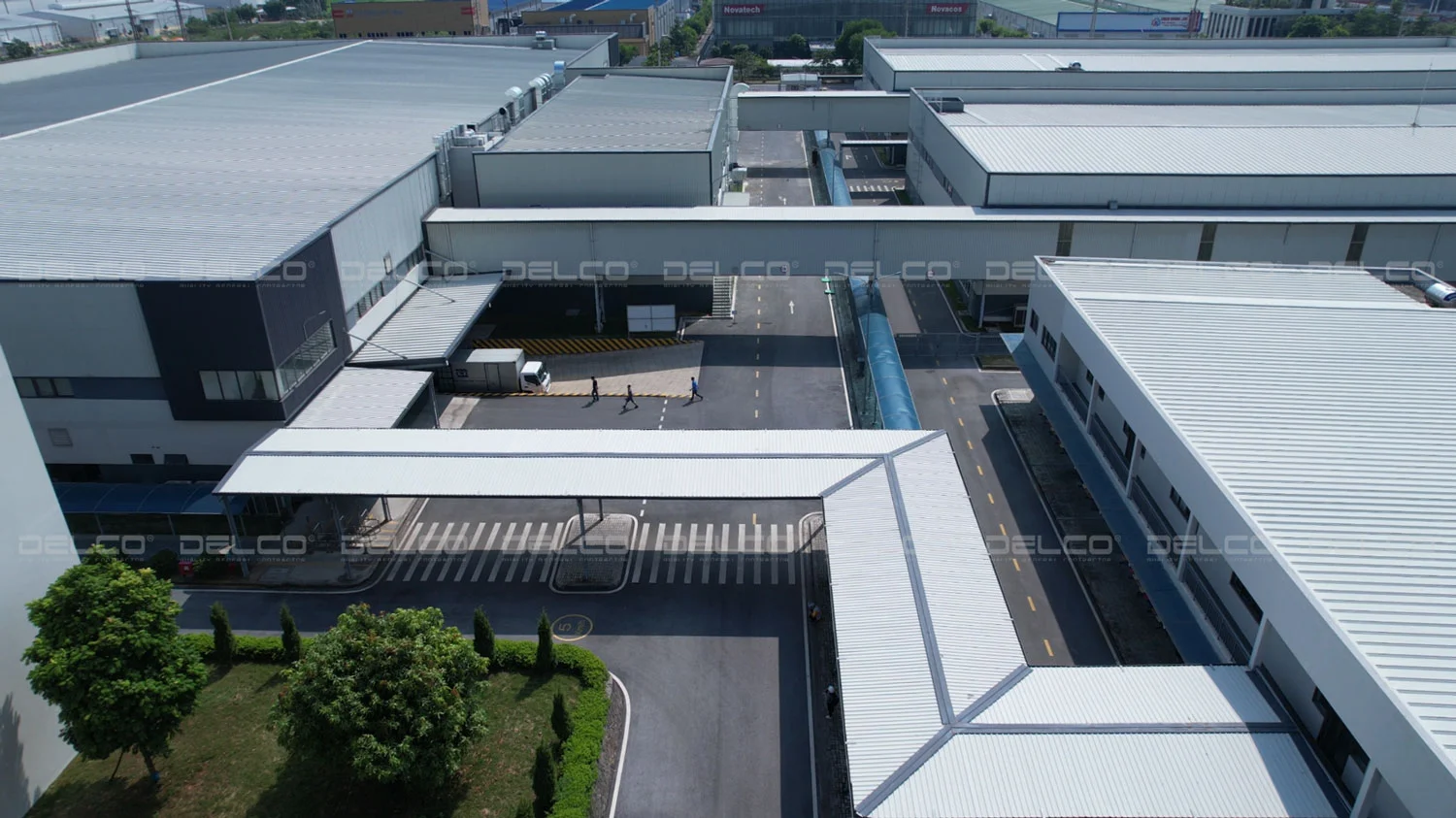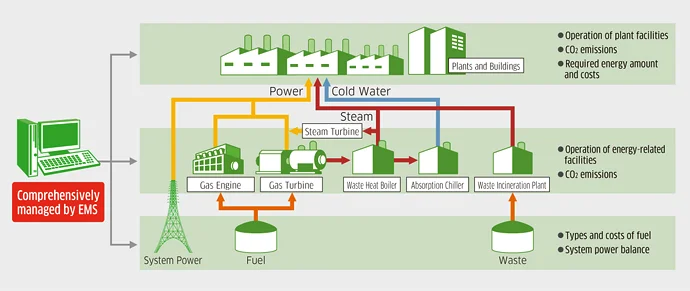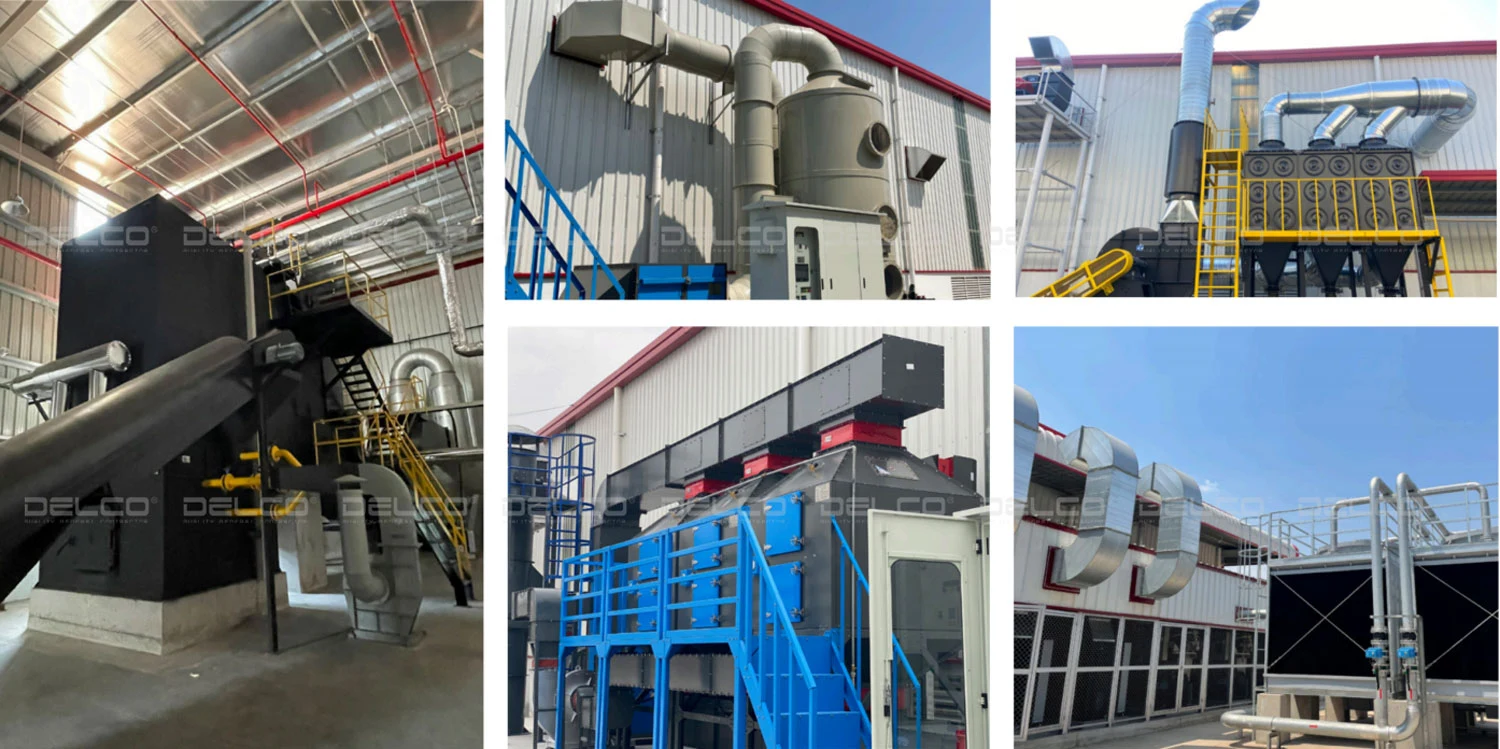


In factory design, MEP systems are often built based on capacity and usage needs at the time of investment. Once the factory goes into operation, adjustments in production and actual usage gradually reveal the causes behind additional costs. From there, MEP is no longer just a technical item, but becomes a part of the factory’s long-term operational and management equation.

illustrative image
The gap between design and actual operation
MEP systems are typically designed based on assumed operating loads. In reality, production rhythms rarely stay constant, and managers will soon recognize hidden costs stemming from operations deviating from the original plan. Sometimes the factory operates under capacity during testing; other times, output increases unexpectedly. These changes may not cause immediate failures, but they slowly affect energy consumption, maintenance needs, and manpower scheduling.
These fluctuations are often silent, but if overlooked, they can lead to increased operating costs and added pressure on the operations team—directly impacting production efficiency and decisions on additional investments.
Constraints set at the initial investment stage
During the investment phase, pressure to control upfront costs is inevitable. As a result, many MEP systems are installed just enough to meet immediate needs, with tight planning of equipment rooms, piping routes, and cable trays to get the factory up and running.
However, when production needs change, these limitations begin to surface. Adding equipment becomes more difficult, and technical interventions are more complex and time-consuming.

illustrative image
From a management perspective, this isn’t just a technical issue. Every system adjustment comes with the risk of incurring costs, affecting production schedules, and forcing operators to weigh each decision more carefully.
System organization during operation
Over the long term, costs come not only from equipment and technology but also from how the system is organized for users. When the layout is not optimal, even simple tasks like inspections or maintenance can take more time and effort than necessary.
Over time, these inconveniences accumulate, creating pressure on the operations team and affecting the overall efficiency of the factory. From a management angle, the key difference isn’t in the technical details, but in whether the system supports daily tasks smoothly.


illustrative image
Compatibility with people and local conditions
Vietnam’s climate, operating intensity, and work habits place very specific demands on MEP systems. The availability of components, ease of replacement, and the operations team’s familiarity with the system directly affect long-term stability. A system may operate well in theory, but if it relies too much on specialized components or distant supply chains, the risk of disruption becomes evident during peak production periods.

illustrative image
Hidden costs reveal much about the initial design
After a period of operation, incurred costs often clearly reflect the connection between initial decisions and real-world usage. This is not only seen in energy or maintenance, but also in how well the system meets new requirements for environmental compliance, safety, and regulations.
Systems designed with flexibility tend to adapt more easily when conditions change. Meanwhile, systems that were restricted from the start often require more adjustments over time—making it harder for managers to balance plans and budgets confidently.