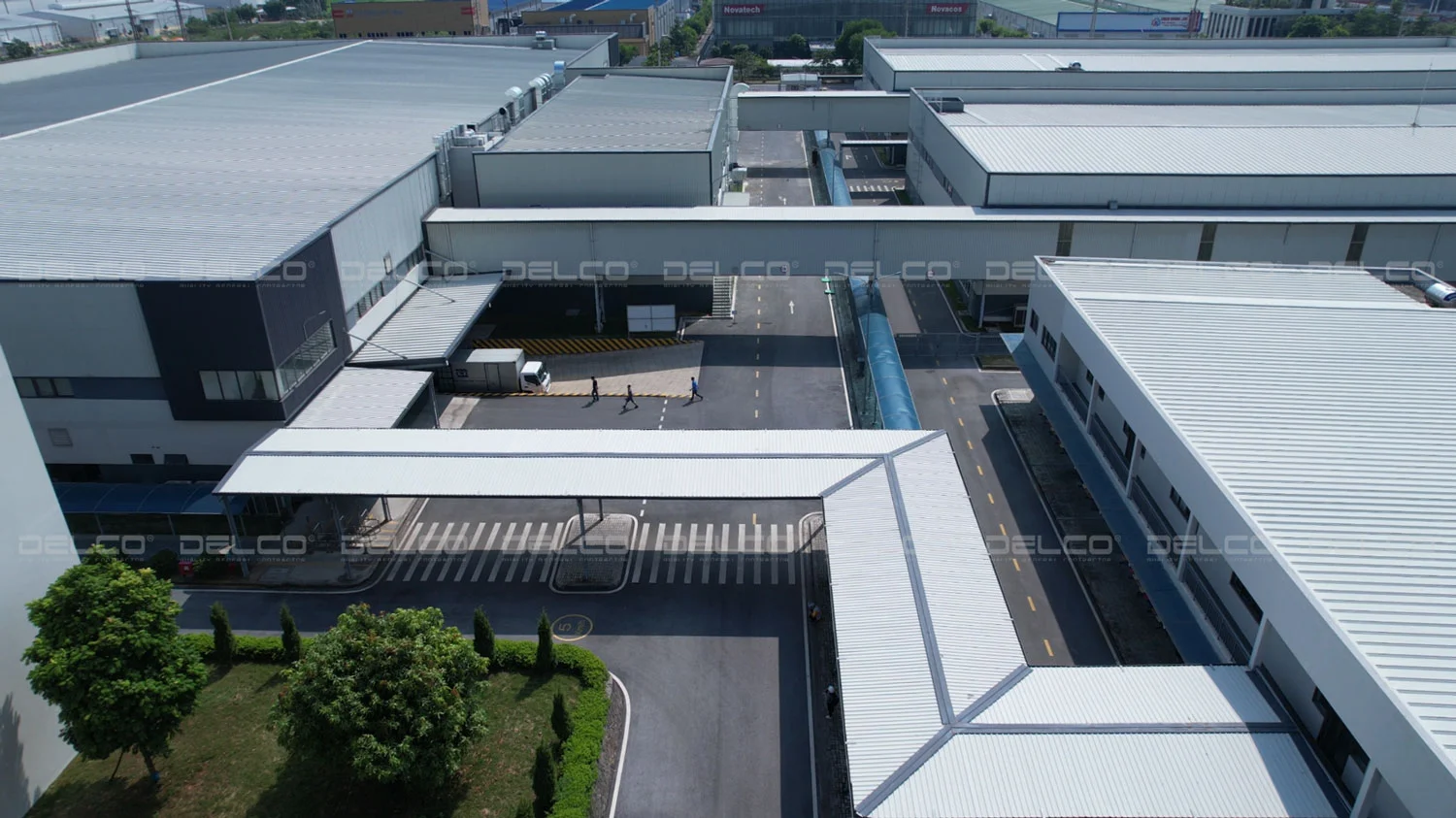


As storage loads continue to increase and logistics models evolve, many existing warehouses are operating on structural systems that are no longer suitable. At this stage, warehouse renovation is not only about fixing damage, but also about reassessing the entire load-bearing capacity, covering structure and technical systems of the facility.
Especially for warehouses that have been in operation for many years or are being converted to new logistics models, renovations that are not properly coordinated may lead to structural risks, operational safety issues, and business disruptions.
When does a warehouse need renovation or upgrading?
A warehouse should be considered for renovation when, after a period of operation, it no longer fully meets current operational requirements or future production plans. This situation often results from natural deterioration of the structure combined with changes in scale, function, or logistics models during operation. Typical signs include:
- Change of function from simple storage to logistics warehouses, distribution centers, or highly mechanized warehouses.
- Increased load demand, especially with the installation of high-rise pallet racking systems and higher forklift activity.
- High utilization intensity leading to floor cracking, settlement, or surface delamination.
- Additional suspended loads due to installation of new technical systems and equipment during expansion.
- Natural deterioration of the building after many years of use.
- MEP and fire protection systems are no longer suitable for current operational requirements or applicable standards.
These issues cannot be resolved through operational adjustments alone and require technical assessment to determine appropriate renovation solutions.
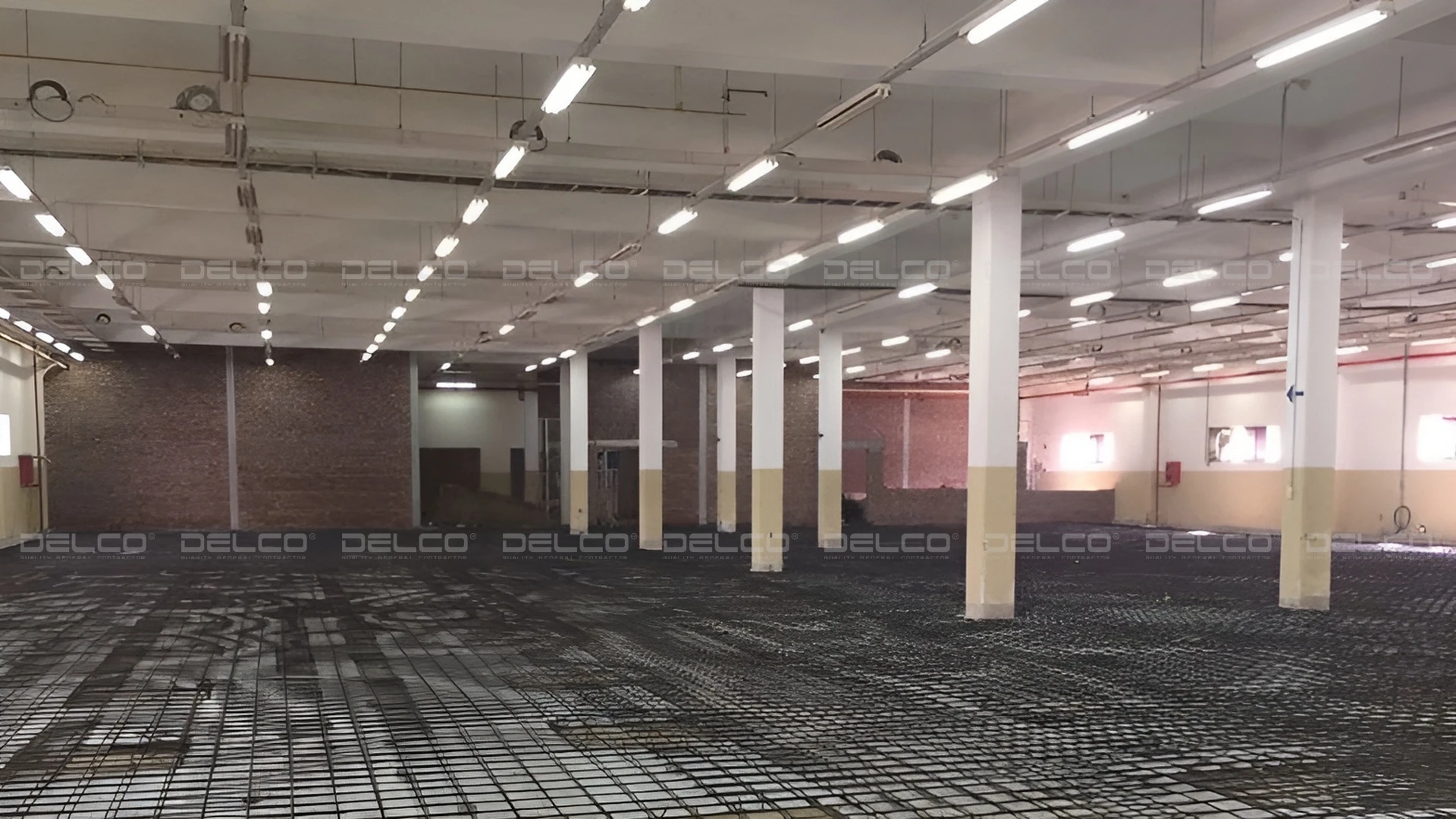
Common warehouse renovation and upgrading items
Warehouse floor slabs and high-load areas
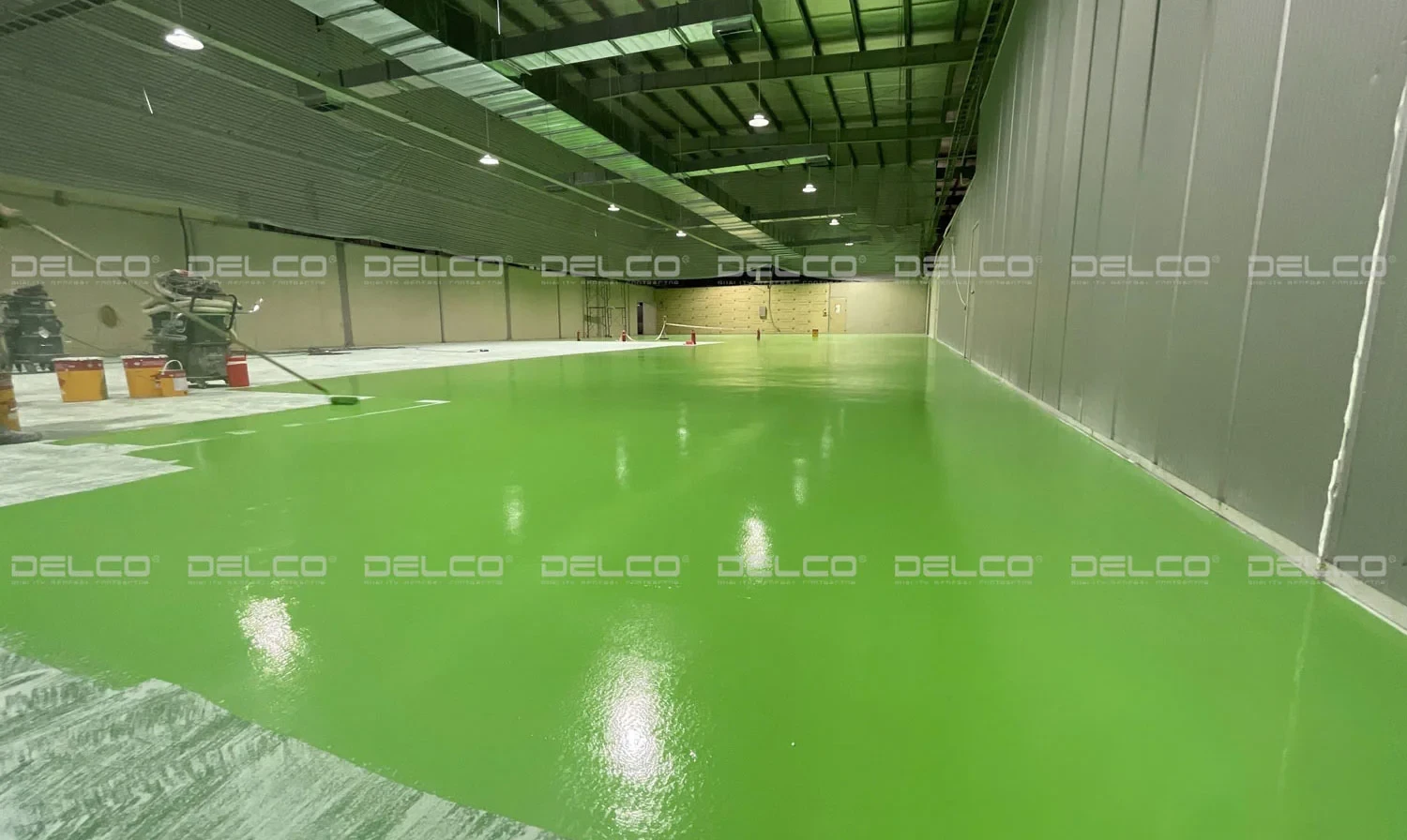
Concrete floors in warehouses are subject to both static loads from stored goods and continuous dynamic loads from forklifts. When usage requirements change, common issues include:
- High concentrated loads at the base of high-rise pallet racks and high-traffic forklift routes.
- Weakened construction joints and prolonged surface wear.
- Reduced floor flatness, affecting forklift operation and storage systems.
Effective repair requires surveying the existing floor structure, evaluating actual load-bearing capacity, and reinforcing critical load-bearing areas rather than merely treating the surface.
Pallet racking systems and limited warehouse space layout
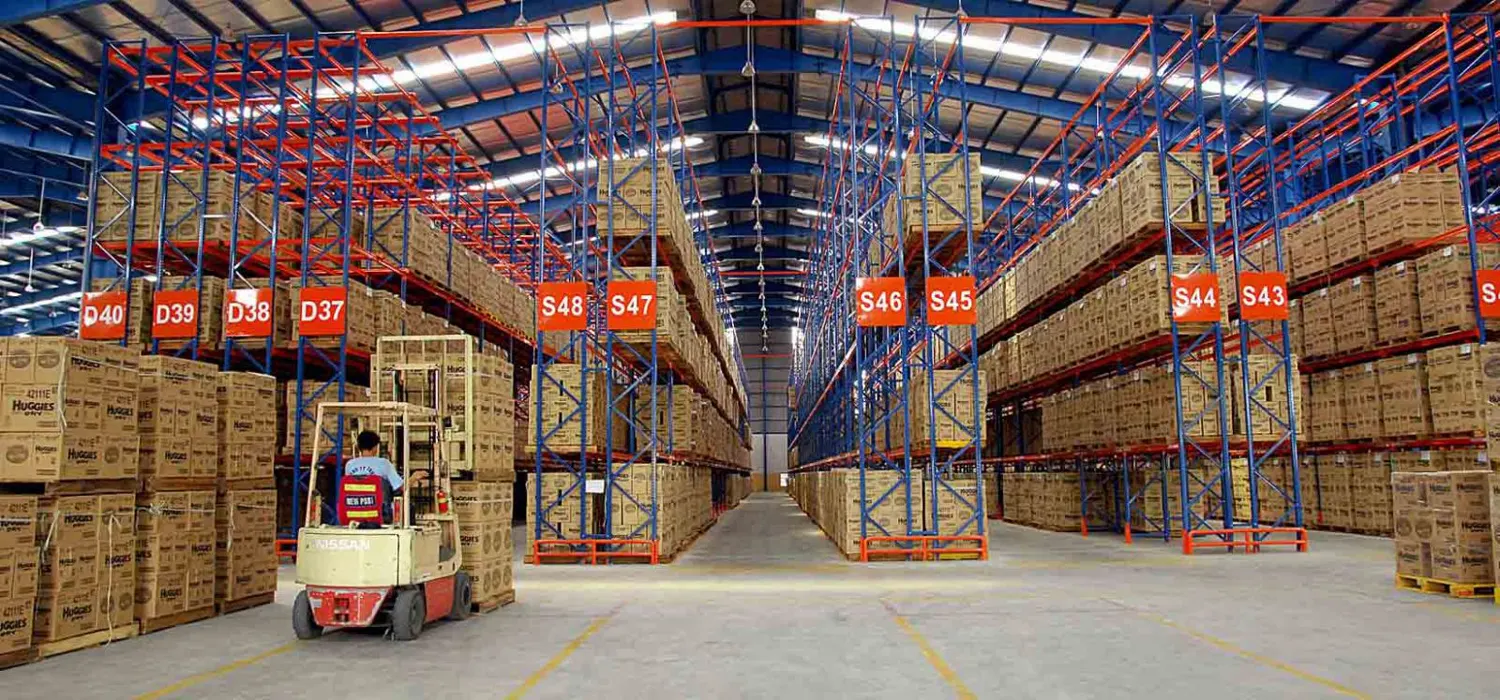
Some factories expand production capacity without expanding warehouse space, forcing the use of high-rise pallet racking systems to accommodate inventory. These systems fundamentally change how loads are transferred to the warehouse floor. Instead of evenly distributed loads, cargo weight is concentrated at rack base points with extremely high intensity, combined with dynamic loads from forklift operations.
This can lead to several consequences:
- Increased localized concentrated loads, exceeding the original load-bearing capacity of the floor and structural system.
- Frequent dynamic loading, increasing the risk of cracking, settlement, and rapid degradation of floor lifespan.
- Operational safety risks, especially in areas with high rack density and frequent forklift traffic.
- Risk of operational disruption and high remediation costs if the floor or related structures fail.
Therefore, warehouse renovation in this scenario must be approached as a comprehensive structural and construction challenge, rather than simply a racking installation or layout issue.
Warehouse doors and loading dock areas
The warehouse door and loading dock areas are subject to repeated high-intensity mechanical impacts from trucks, forklifts, and lifting equipment. These are also among the first areas to deteriorate during warehouse operations. Common issues include:
- Settlement and cracking at dock edges due to heavy wheel loads and long-term concentrated impact.
- Structural and surface damage caused by mechanical impacts during vehicle entry and cargo handling.
- Dock elevation no longer suitable for new vehicle types, causing operational difficulties, increased safety risks, and reduced loading efficiency.
- Rising maintenance costs and risk of downtime if damage is not addressed promptly.
These issues indicate that dock areas require coordinated assessment and renovation rather than localized or temporary repairs.
Strengthening warehouse floors and improving load-bearing capacity, including treatment of concrete construction joints
During long-term operation, especially when loads increase or operating models change, warehouse floors often no longer meet their original design capacity. Common issues include:
- Reduced load-bearing capacity in high-load areas such as pallet rack bases, forklift routes, and staging zones.
- Cracking, delamination, or surface abrasion affecting operational safety and structural lifespan.
- Construction joints, expansion joints, and load-transfer discontinuities that fail to work cohesively, leading to localized settlement and progressive damage.
- Failure to meet new operational and industrial hygiene standards, especially for logistics warehouses, food warehouses, or highly mechanized facilities.
Addressing these issues requires site surveys and evaluation of actual load-bearing capacity to select reinforcement solutions appropriate for each load zone—there is no one-size-fits-all solution.
Upgrading MEP, ventilation, and fire protection systems for warehouses
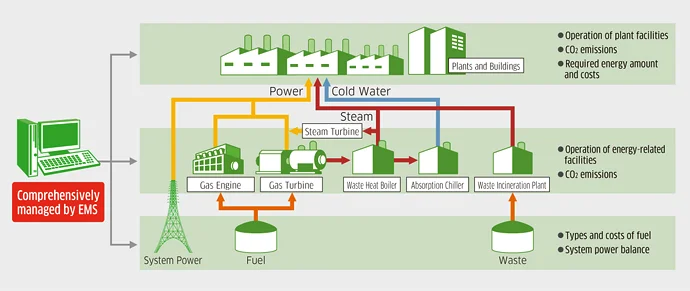
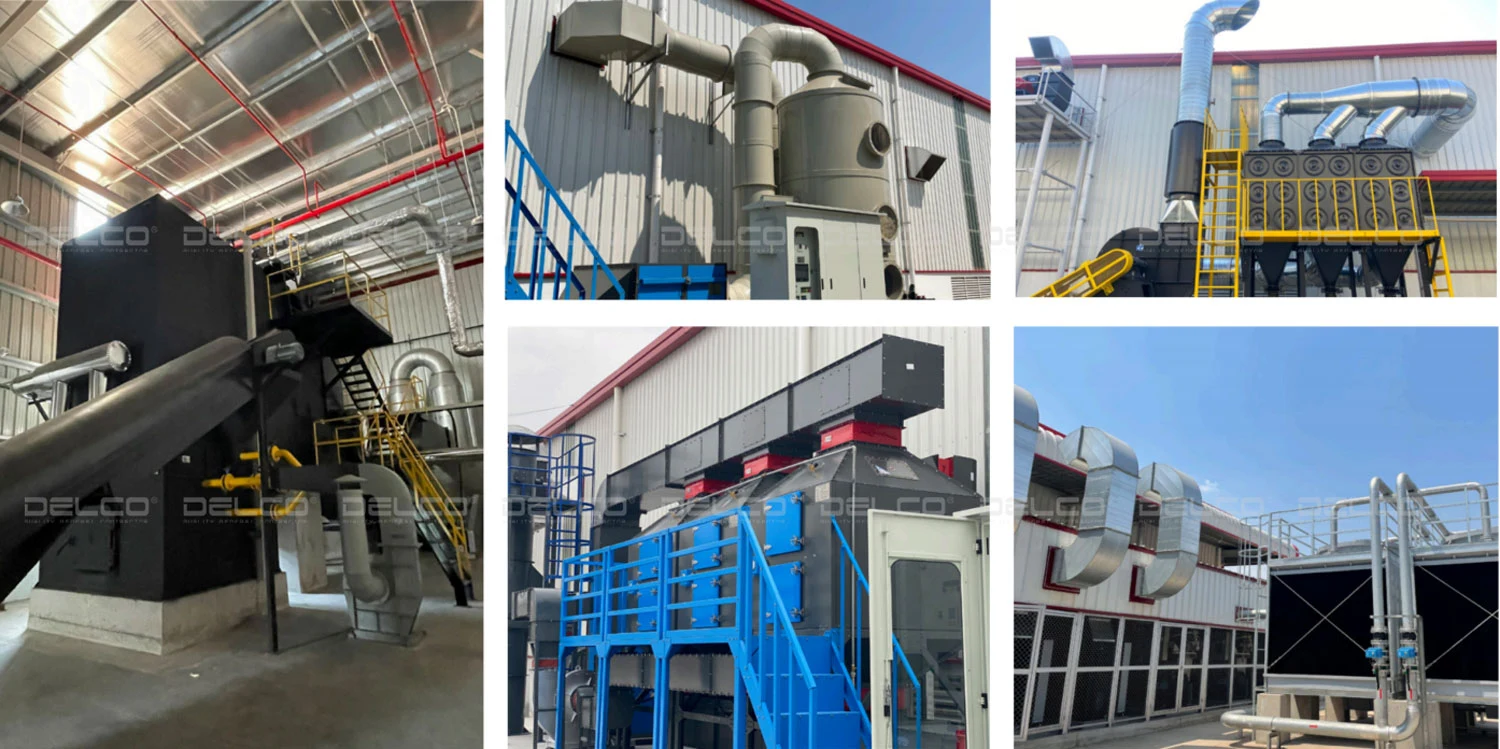
Alongside structural and floor repairs, warehouses often require coordinated upgrades to technical systems when functions are enhanced:
- Ventilation and lighting: to meet new working conditions and storage density
- Electrical systems: compatible with modern warehouse equipment and increased loads
- Fire protection systems: adjusted according to warehouse height, racking density, and QCVN 06:2022/BXD, as well as applicable standards for logistics warehouses, high-bay warehouses, and highly automated facilities
Failure to synchronize MEP and fire protection upgrades with structural and functional changes can lead to safety risks, legal issues, and operational disruptions.

Warehouse renovation works in operating factories
Most warehouse renovation projects are carried out while factories remain in operation. The greatest challenge lies not in construction itself, but in how the work is organized. An unsuitable approach can disrupt operations, resulting in downtime and significant indirect costs for investors.
Therefore, renovation works must be implemented in phases, prioritizing rolling construction solutions and selecting appropriate timing for high-impact activities. At the same time, safety, dust, and noise control must be strictly managed to ensure stable factory operations throughout the renovation process. In practice, the quality of the construction contractor is the decisive factor in the investment effectiveness of warehouse renovation projects.
DELCO’s warehouse renovation and renovation solutions
At DELCO, warehouse renovation and renovation is treated as a specialized technical discipline closely tied to safety, operational efficiency, and long-term asset value. Each project begins with a comprehensive assessment of existing concrete floors, structural systems, and technical installations to accurately identify root causes.
Solutions are developed through an integrated approach combining structural reinforcement, functional optimization, and construction methods suitable for operating factories—minimizing disruption to production activities. This approach delivers warehouses that are safer, more stable, more efficient, and sustainably durable over the long term.