

1. What are the criteria for selecting a factory location?
Choosing the right factory location determines most of the long-term efficiency of the project. Based on experience from many FDI projects, DELCO evaluates locations according to the following 6 groups of criteria:
1.1 Transportation system and Logistics
According to industry logistics cost analysis reports, locations with favorable logistics can reduce annual operating costs by 5–15% on average. A good location must ensure connectivity:
- Level of transportation connectivity: Easy access to expressways, national highways, seaports, or Logistics/ICD centers suitable for the industry’s characteristics.
- Stability of the supply chain: Avoid routes that are frequently congested, flooded, or have seasonal load restrictions.
- Estimated transportation costs: Estimated based on the distance to ports/main transport routes and route optimization, in order to assess long-term logistics efficiency.
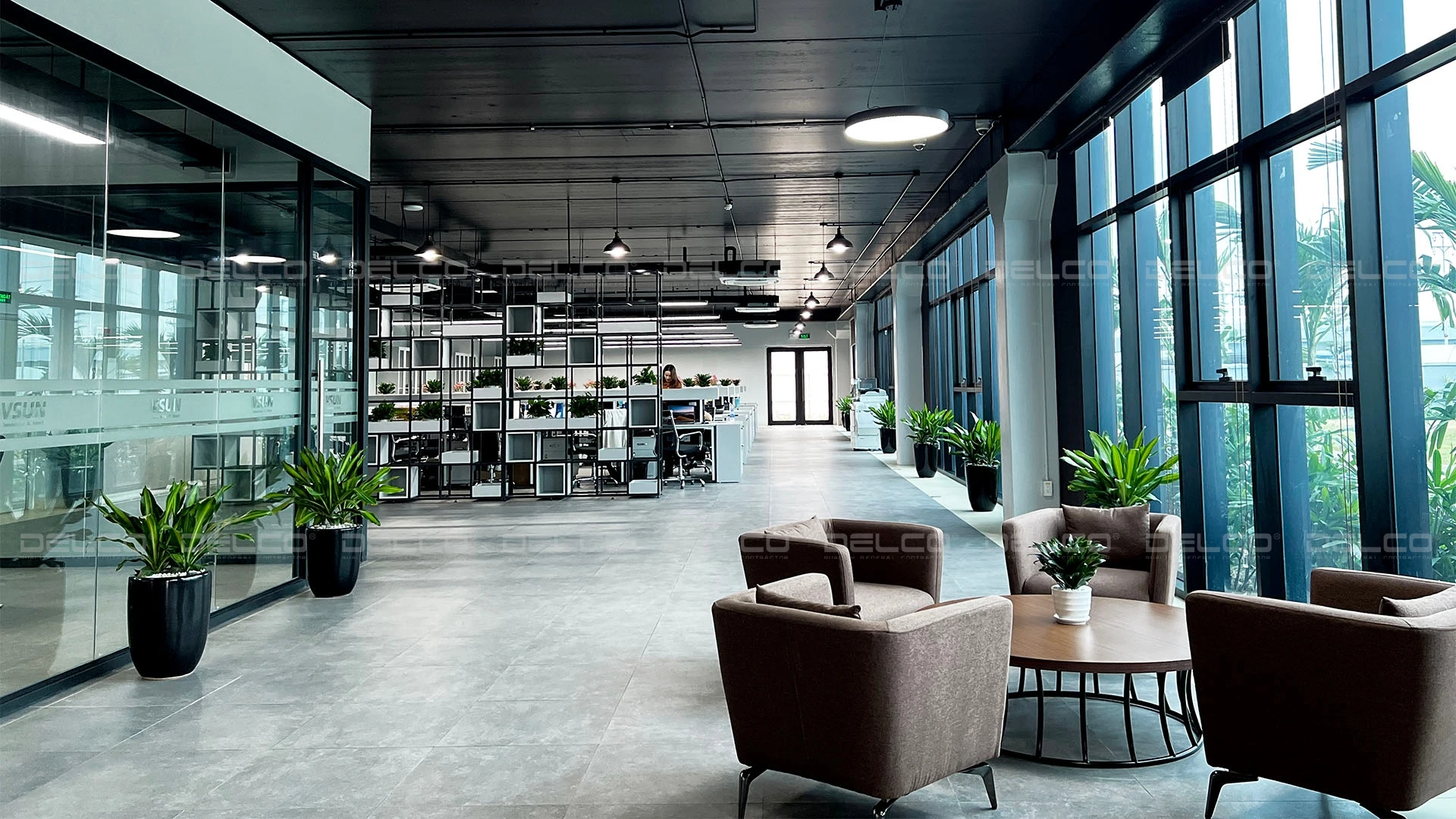
The interior project of Vietnam Sunergy Factory at Thuan Thanh II Industrial Park, Bac Ninh is favorable in terms of transportation – logistics thanks to its location near National Highway 17, the Hanoi – Hai Phong Expressway, and connecting routes to seaports, airports, and downtown Hanoi, allowing fast and low-cost transportation of materials and goods.
1.2 Industrial Park (IP) infrastructure, land area & land plot shape
Important factors include:
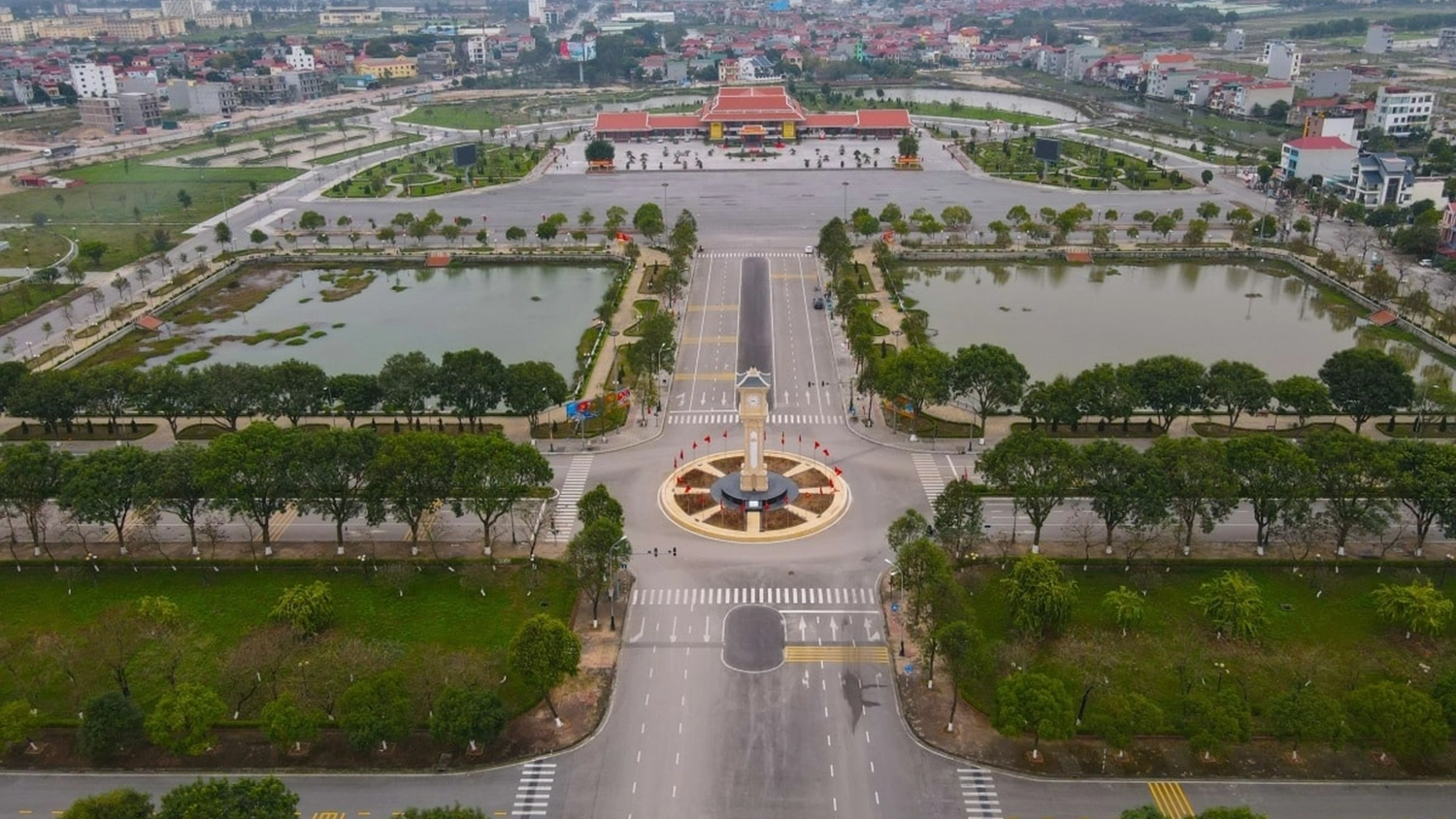
- Quality of wastewater treatment, power station, internal roads.
- Land plot shape: the plot shape directly affects land-use efficiency. A square-shaped plot helps optimize the master plan and improve movement flow.
- Construction density & FAR index of the industrial park.
Note: Irregular, elongated, or corner-cut land plots are often more difficult to lay out production lines and logistics yards.
1.3 Land rental cost & investment incentives
Many investors look only at the land rental price/m² and overlook infrastructure operation costs, resulting in the actual total cost being 10–30% higher. Key factors to analyze:
- Land rental unit price (varies by province, by IP).
- Industry-based tax incentives (high-tech, clean energy…).
- General IP infrastructure costs (management fees, electricity – water – wastewater treatment prices, internal logistics costs…)
1.4 Geological conditions & natural risks
Geological conditions significantly affect construction costs and factory durability: good soil reduces foundation costs and prevents subsidence, while weak soil increases treatment costs and accelerates degradation. For multi-story factories, the soil requirement is even more stringent. Therefore, investors should conduct geological surveys and consult reputable experts early to choose a suitable location and optimize costs.
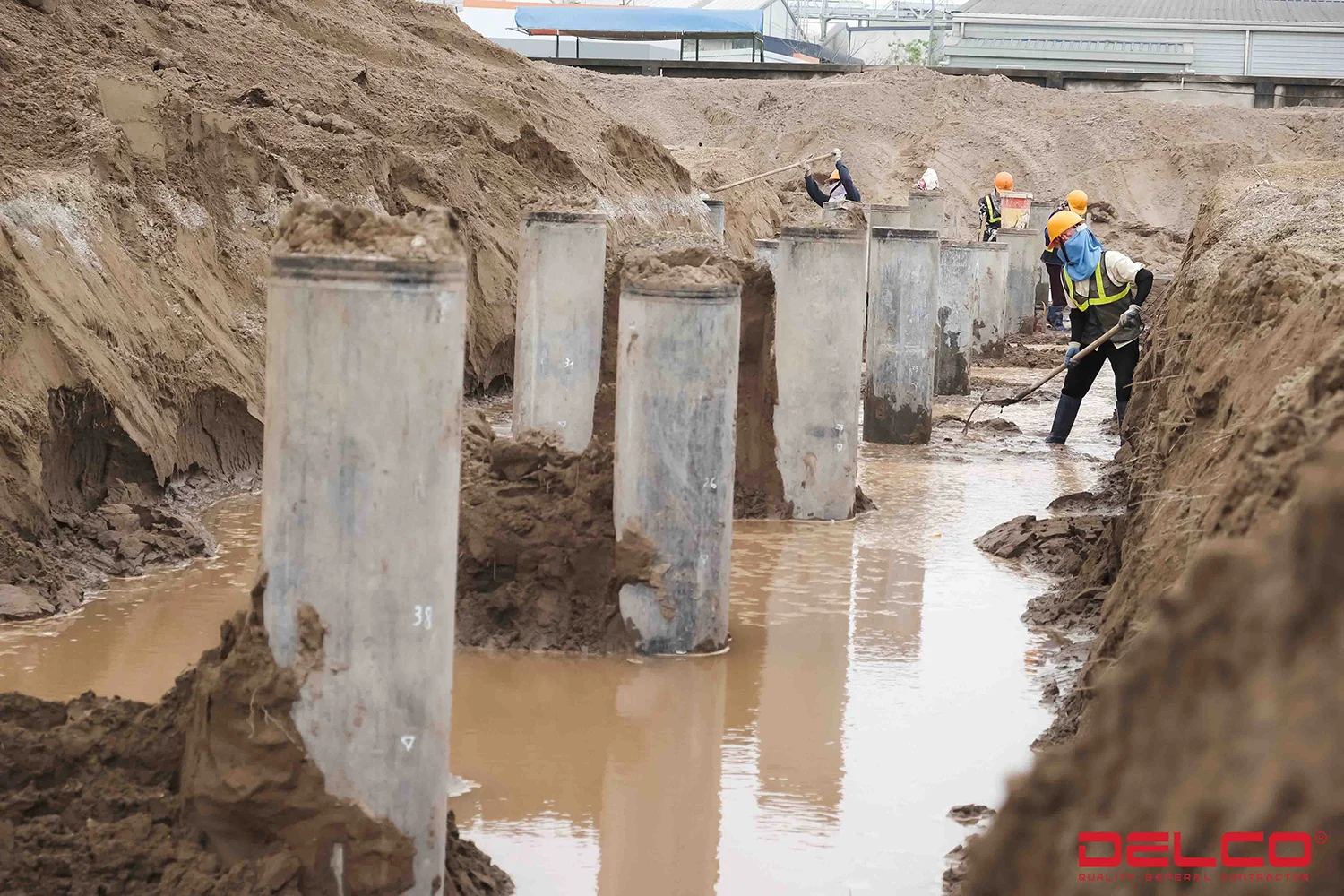
⪢ Geological survey process for factory construction and important notes
1.5 Material sources & labor availability
- Provinces with abundant and stable labor are easier for recruitment.
- For food – agriculture industries: proximity to material sources helps save costs.
- For electronics – precision engineering industries: areas must have skilled technical labor.
1.6 Expansion capability within 3–10 years
This criterion is often overlooked but directly affects long-term business strategy. During surveying and planning, always consider expansion potential or divide into phases (Phase 1, Phase 2…) to optimize costs and avoid major adjustments later.
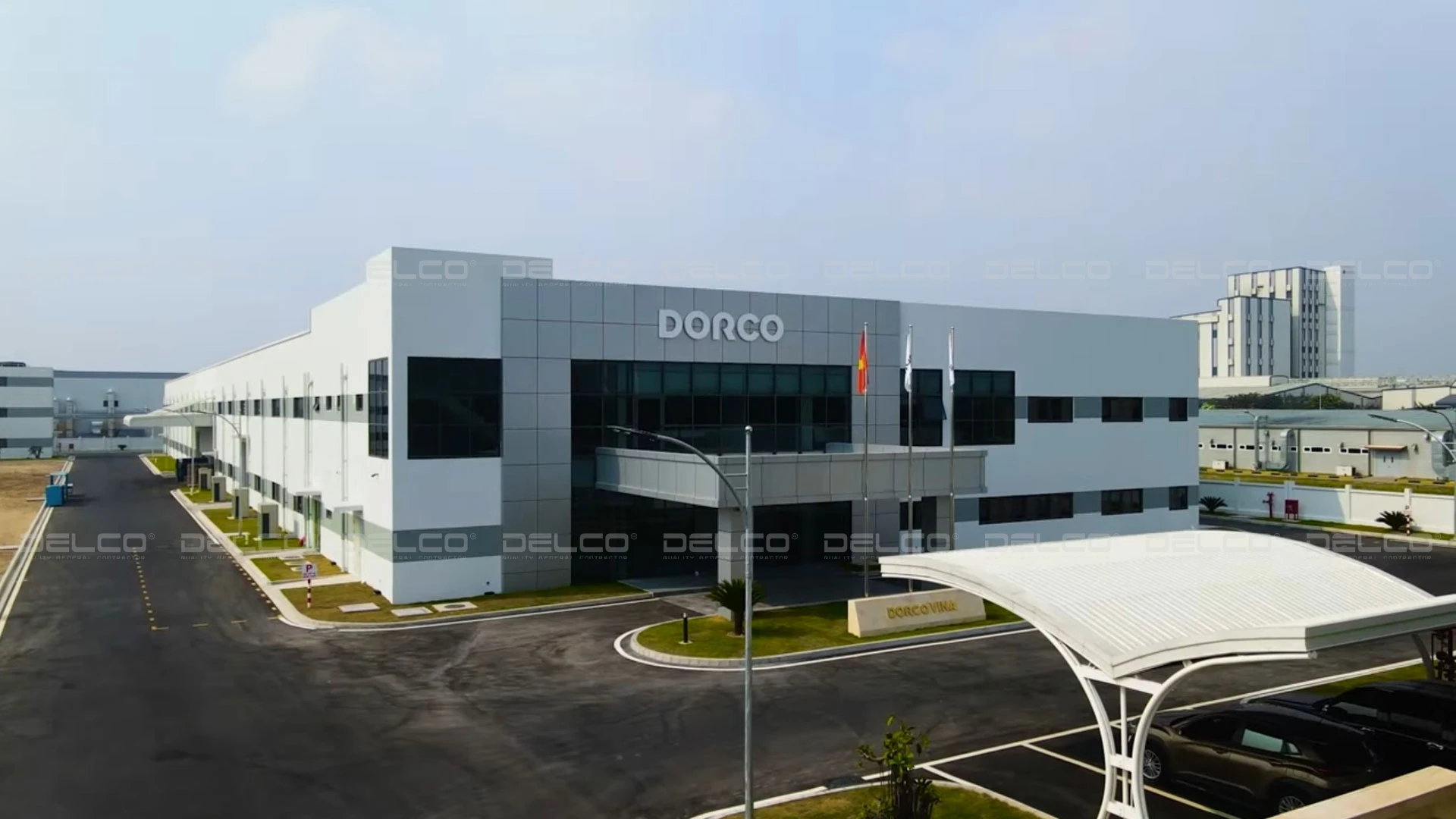
Dorco Living Vina Factory Construction Project, Ha Nam 2021
2. What to note when planning the site Master Plan?
The master plan sets the foundation for the entire lifecycle of the factory, ensuring stable operation from day one and readiness for future expansion. When implementing the Master Plan, investors should especially consider:
2.1 Clear functional zoning
Production areas, warehouses – logistics, offices – utilities, technical areas, and green spaces must be arranged logically to optimize operations and ensure safety. Separating technical zones from office zones helps reduce noise and makes maintenance easier.
2.2 Internal traffic flow design
Container truck routes, turning radii, pedestrian walkways, and gate positions must be scientifically planned. Even small design errors can cause congestion and reduce logistics efficiency.
2.3 Ensure safety distances & comply with fire protection regulations
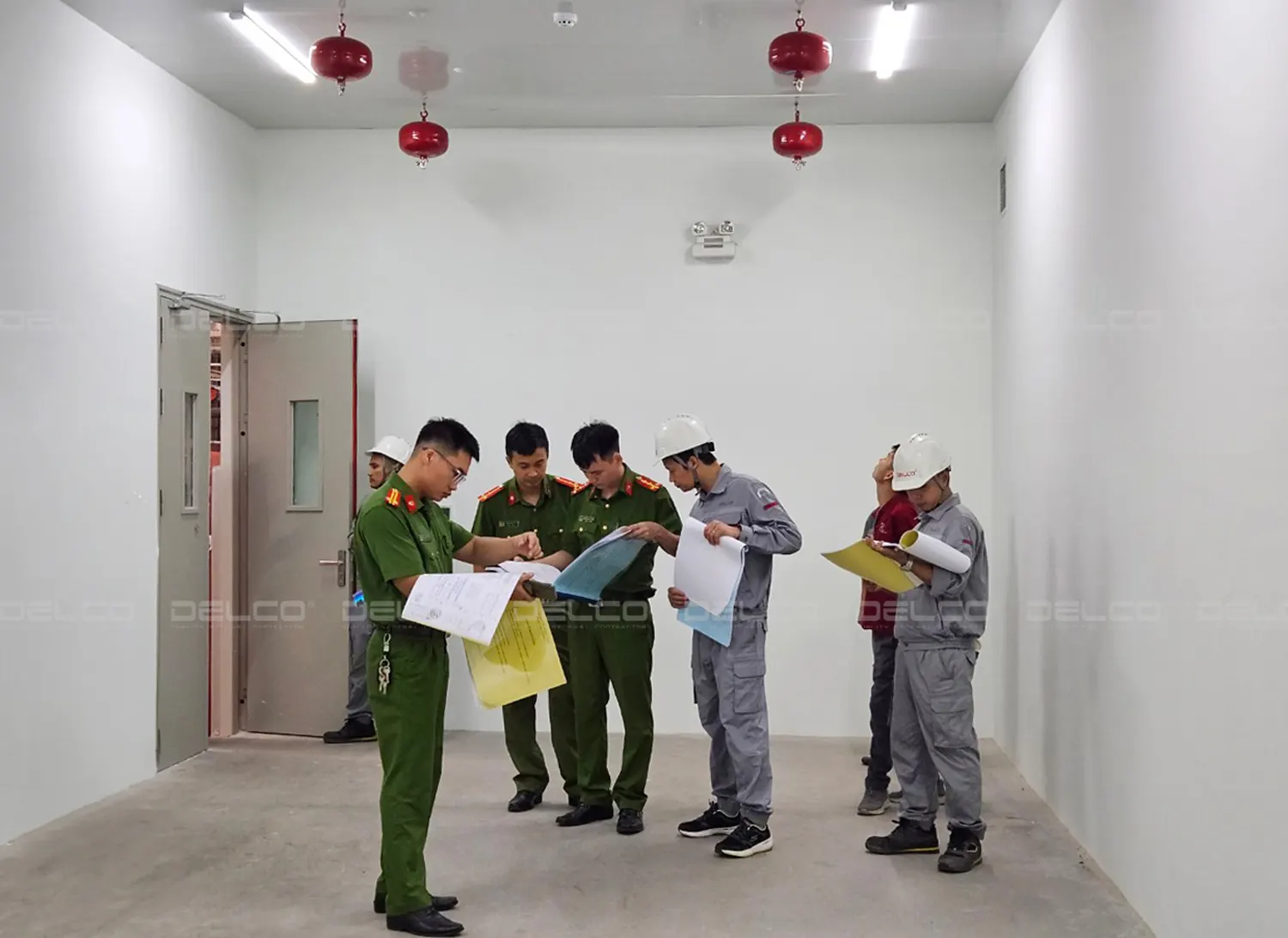
Distances between buildings, escape routes, fire pump rooms, and technical corridors must comply with standards such as TCVN 2622, TCVN 3890, QCVN 06:2022/BXD, Decree 136/2020/NĐ-CP, and IP-specific regulations.
2.4 Drainage planning and anti-flooding
Proper slope control, drainage channels around workshops, retention ponds (if needed), and avoiding warehouse placement in low-lying areas are essential.
2.5 Reserve space for 3–10 years of development
FDI enterprises often expand production rapidly. Depending on the industry, investors should usually reserve 20–40% of the land for expansion or adopt modular design and preserve technical corridors and future traffic routes.
2.6 Balance immediate costs and long-term needs
Over-investment is unnecessary, but under-investment is risky. An effective approach is phased construction—satisfying roughly 70% of the initial need and expanding as capacity increases.
3. Technical infrastructure requirements for factory planning
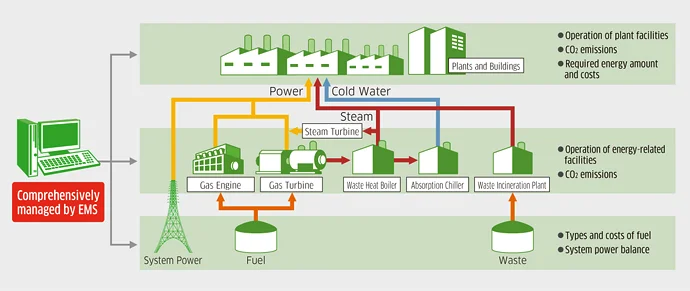
If the Master Plan is the “strategic map” that determines functional zoning, technical infrastructure is the operational foundation of any factory. Therefore, technical infrastructure cannot be separated and must be planned in parallel with the master plan because zoning, production lines, and logistics areas directly impact electricity – water – transportation – auxiliary MEP systems. Proper assessment and design from the beginning help avoid future issues such as electrical overload, flooding, or logistics congestion.
3.1 Electricity – ensuring stable energy supply for the entire factory
Stable power supply must meet production demand and expansion capability. Distribution systems, electrical safety, and backup solutions must be considered early to avoid production interruptions.
3.2 Water supply – wastewater – drainage
Water supply must meet production and domestic needs. Wastewater must be treated according to industry requirements. Stormwater drainage must be properly designed to avoid flooding, especially in warehouse and workshop areas.
3.3 Internal transportation and logistics connecting functional zones
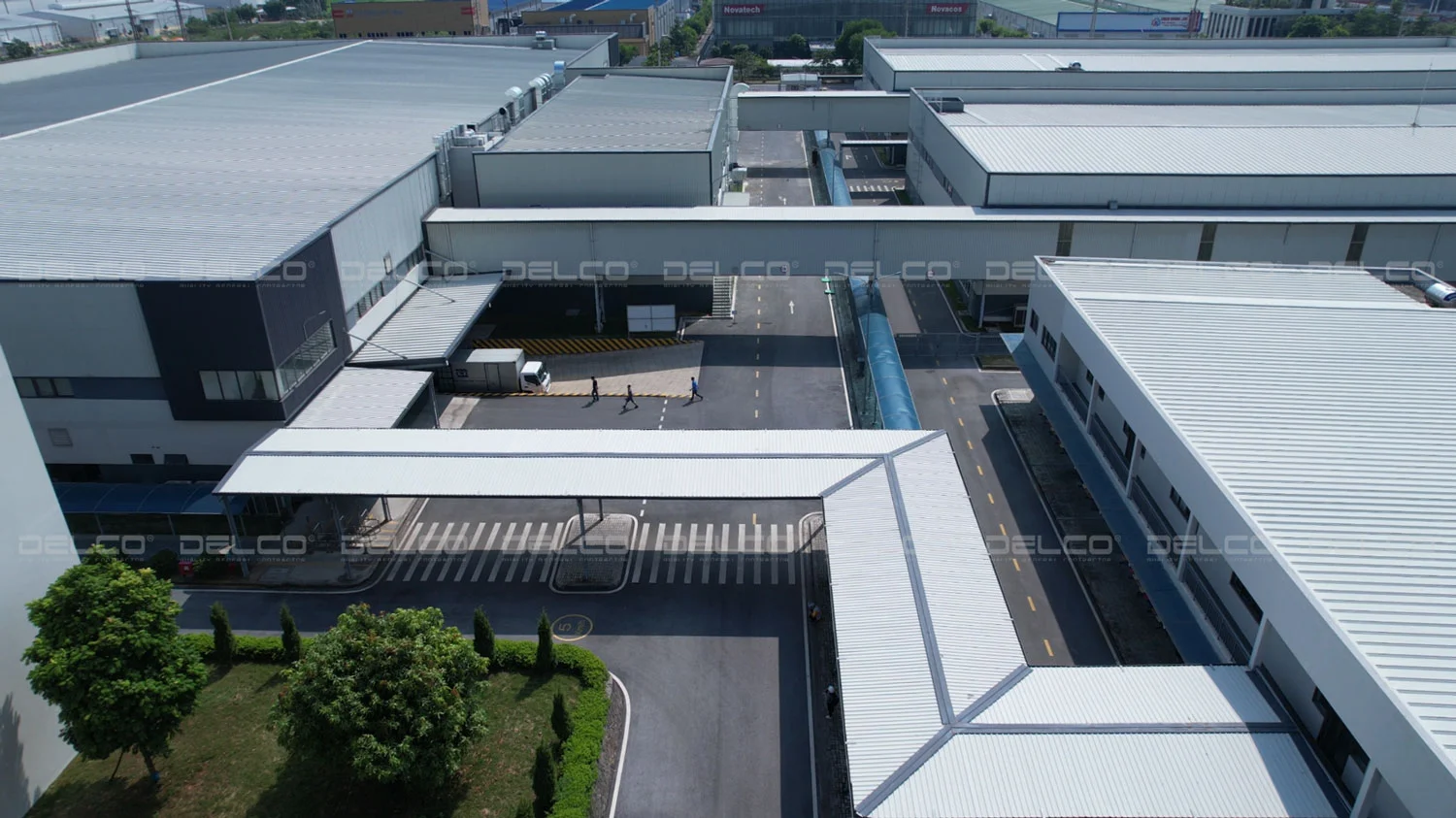
Internal roads must be clear, enabling smooth import–export operations and ensuring safety among trucks, forklifts, and pedestrians. Gate locations, parking lots, and loading–unloading areas should align with the main transport flow.
3.4 Other MEP systems
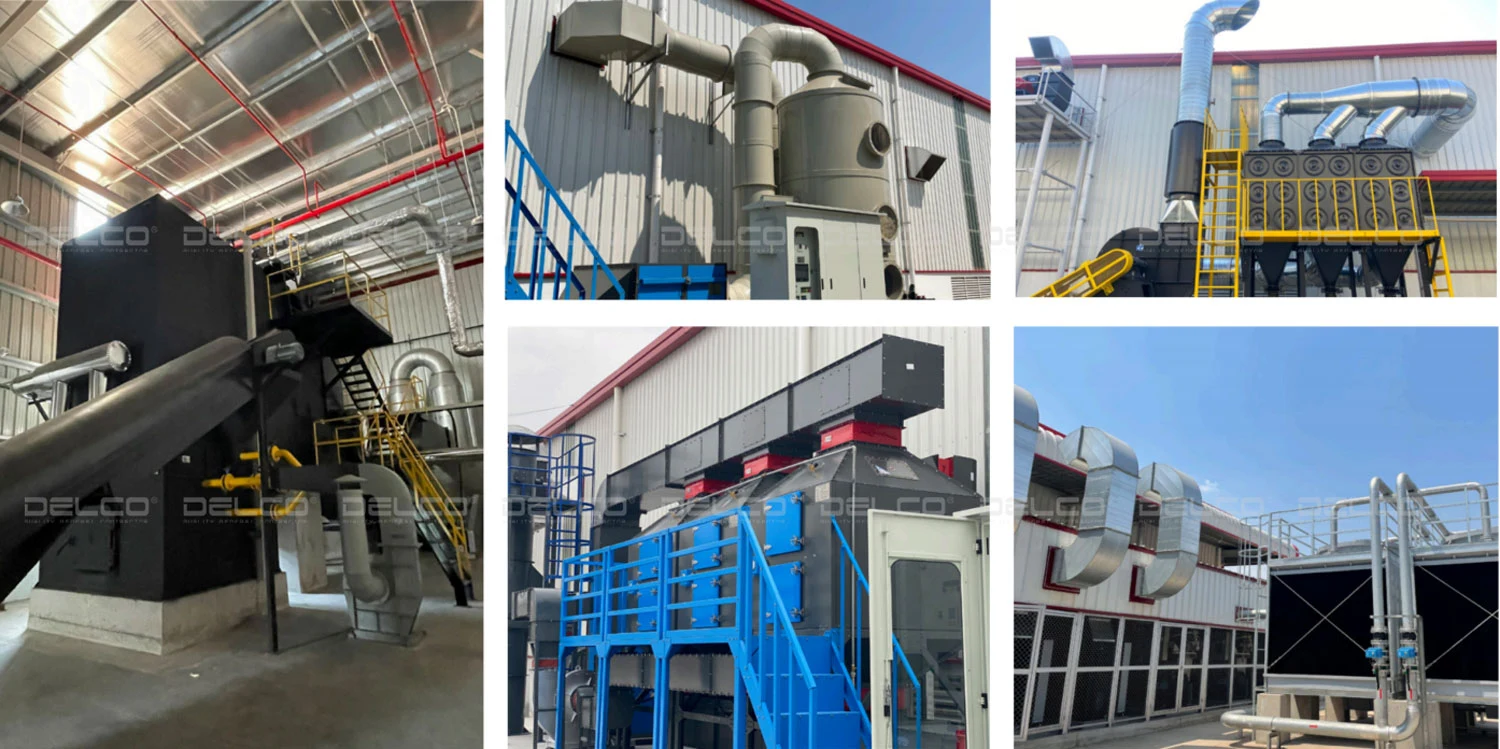
In factories—especially in industries with strict requirements such as electronics, food, or pharmaceuticals—integrated design of HVAC, compressed air, lighting, and auxiliary utilities is extremely important. These systems directly relate to the production line. If not considered from the beginning, factories may face undercapacity, failure to meet environmental standards, or expensive retrofits. Even in general manufacturing industries, system integration ensures stable operation and energy savings. Therefore, integrating MEP systems during the master planning stage is essential for long-term efficiency.
⪢ 4 mandatory standards for factory construction in Vietnam
⪢ Factory design trends in Vietnam 2025