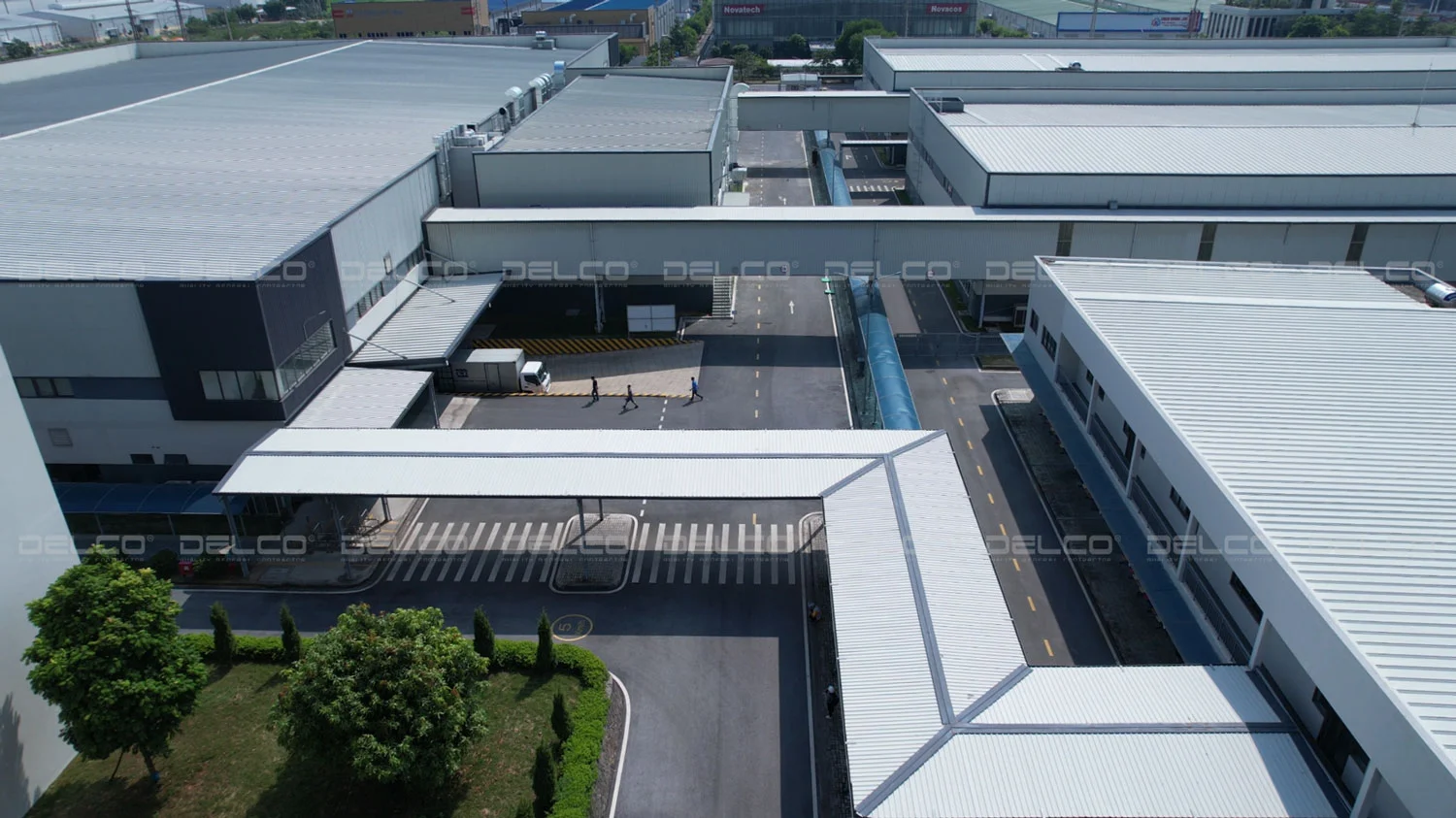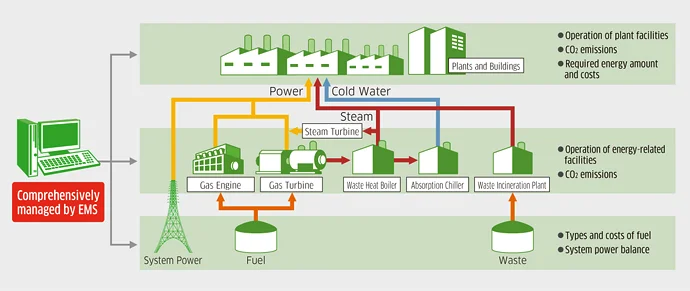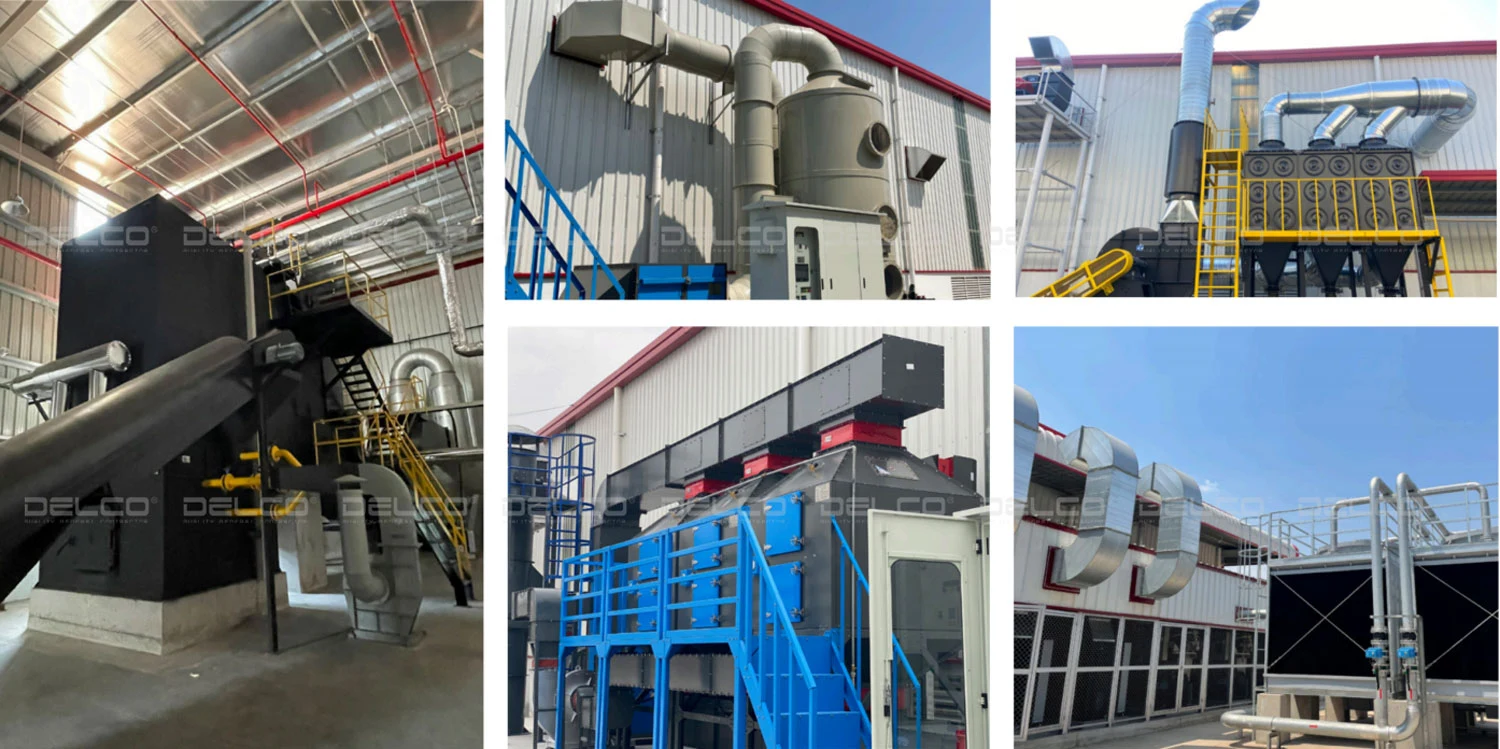


In factory projects in Vietnam, ESG has become a common criterion in investment requirements and internal evaluations of corporations—especially for factories deeply involved in global supply chains. In many industries, maintaining orders, expanding markets, or meeting demands from international clients is increasingly linked to criteria on environmental responsibility, working conditions, and operational transparency.
At the execution level, ESG compliance largely depends on how MEP systems are designed and implemented to suit actual production conditions. From a technical perspective, ESG is not reflected in corporate statements or communication messages, but in the stable operation, energy efficiency, and maintainability of factory MEP systems.
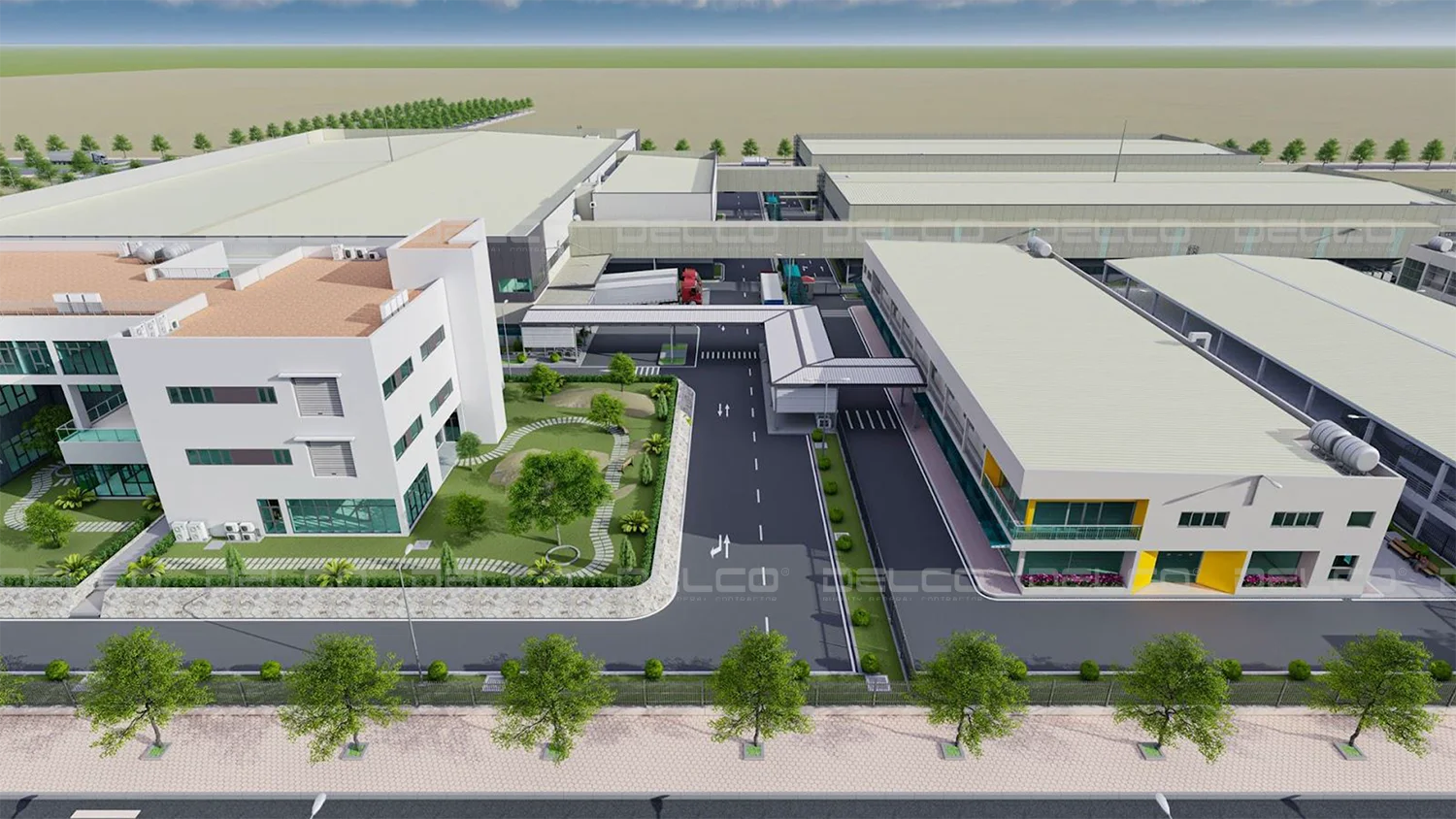
MEP coordination from an operational perspective
On design drawings, MEP systems are often developed as separate disciplines, including electrical systems, HVAC, water supply and drainage, and fire protection, with each system meeting its own technical standards. In real operation, however, a factory does not function as isolated systems, but as an integrated whole, where all systems must interact and operate in coordination.
Even a small change in the production line can trigger a chain of adjustments. A change in cooling demand requires HVAC systems to be adjusted. A revised layout may restrict access to electrical panels or fire detectors. Adding an extra level of pallet racking can affect airflow patterns and ventilation performance. These conflicts are rarely visible on drawings, yet they directly impact energy efficiency, operational safety, and system reliability, which are core ESG factors.
Therefore, coordination between MEP design and construction not only ensures technical compliance, but also plays a decisive role in achieving flexible operation, cost efficiency, and long-term ESG objectives.
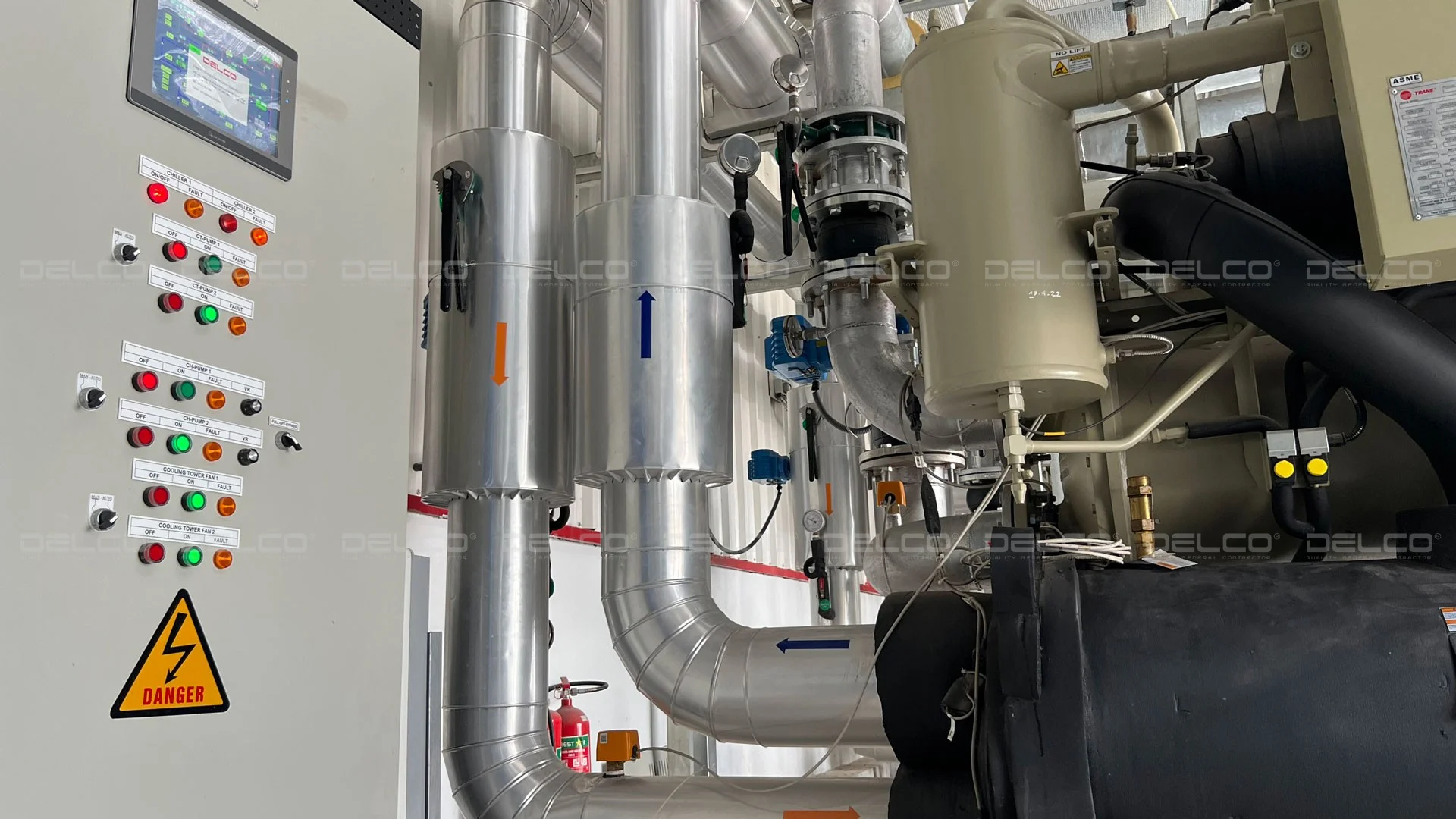

BIM in MEP design: Reducing resource waste and improving ESG performance
In factory MEP design, BIM is not just a tool for visualizing technical spaces. Its core value lies in the ability to detect conflicts early between systems such as piping, cable trays, and MEP equipment. This helps reduce rework, demolition, and unnecessary material consumption during construction.
Coordinated design across disciplines on a 3D model enables optimized material quantities, minimizes installation losses, and reduces construction waste. These factors directly contribute to more efficient resource use, lower CO₂ emissions, and improved environmental performance under ESG standards.
In practice, projects that apply BIM effectively often show minimal discrepancies between design and construction, achieve significant material savings, and maintain schedules without major adjustments. This represents a practical ESG approach, implemented from the early stages of MEP design and construction.
MEP design aligned with operational workforce capability
One ESG-related factor that is often underestimated is the actual capability of the factory’s operations and maintenance team. In Vietnam, these teams are typically small in size, uneven in skill level, and subject to personnel changes over time.
In this context, overly complex MEP systems or solutions that rely heavily on specialized technologies can create operational challenges. When incidents occur, slow or inconsistent responses may reduce energy efficiency and compromise operational safety.
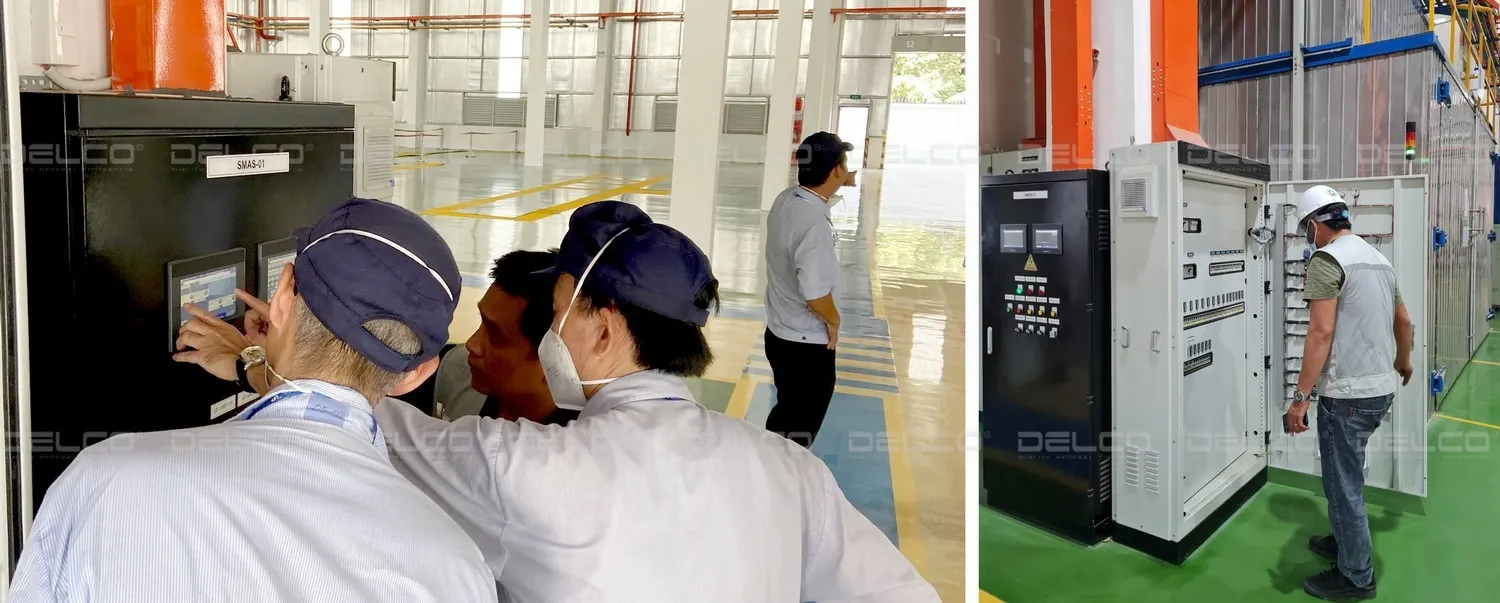
A common approach in stable operating projects is to design MEP systems with an appropriate level of intelligence. Systems should have clear structures, logical zoning, and a level of automation sufficient to support operations without removing human control. Systems that are easy to understand and manage form the foundation of long-term sustainable operation.
MEP and the working environment in manufacturing facilities
MEP systems not only ensure technical performance, but also play a direct role in creating a safe and stable working environment. This is a key ESG factor under the social dimension. Ventilation, temperature, humidity, noise levels, and air quality all affect worker health, productivity, and long-term engagement. However, these issues are often only recognized after a factory is already in operation, when system upgrades become complex and costly.
Therefore, MEP design should focus on long-term stability and ensure comfortable working conditions even when production lines change or expand. A stable and comfortable environment not only improves productivity, but also contributes to a positive workplace culture, which is an important element of a company’s ESG strategy.

Adaptability of MEP systems to local conditions and long-term operation
Beyond human factors, factory MEP systems in Vietnam are significantly affected by hot and humid climates, fine dust, high corrosion rates, and frequent changes in legal regulations. An internationally standard solution that isn’t adapted to local conditions can quickly reveal limitations in real operations.
However, the biggest challenge is not just natural conditions but the gap between design and construction documents and actual usage. When systems are disorganized, technical diagrams lack operability, or equipment is hard to access for maintenance, MEP efficiency tends to decline over time.
Long-term oriented projects usually address these issues from the start: selecting equipment suitable for local climate, organizing systems clearly, allowing space for maintenance, and creating accessible technical management structures. This forms the foundation for sustaining goals such as energy saving, occupational safety, and sustainable development throughout the factory’s lifecycle—not just at handover.
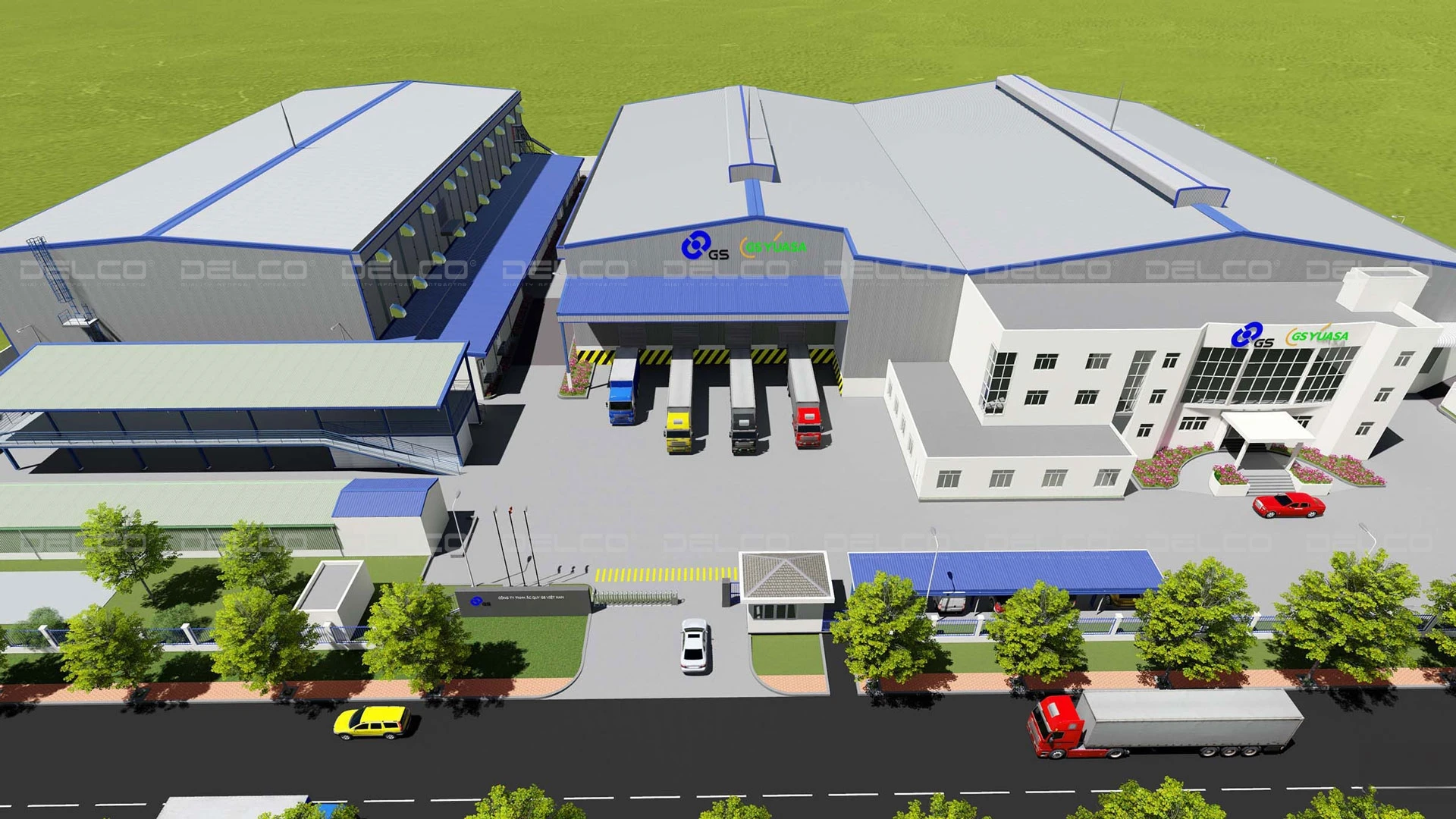
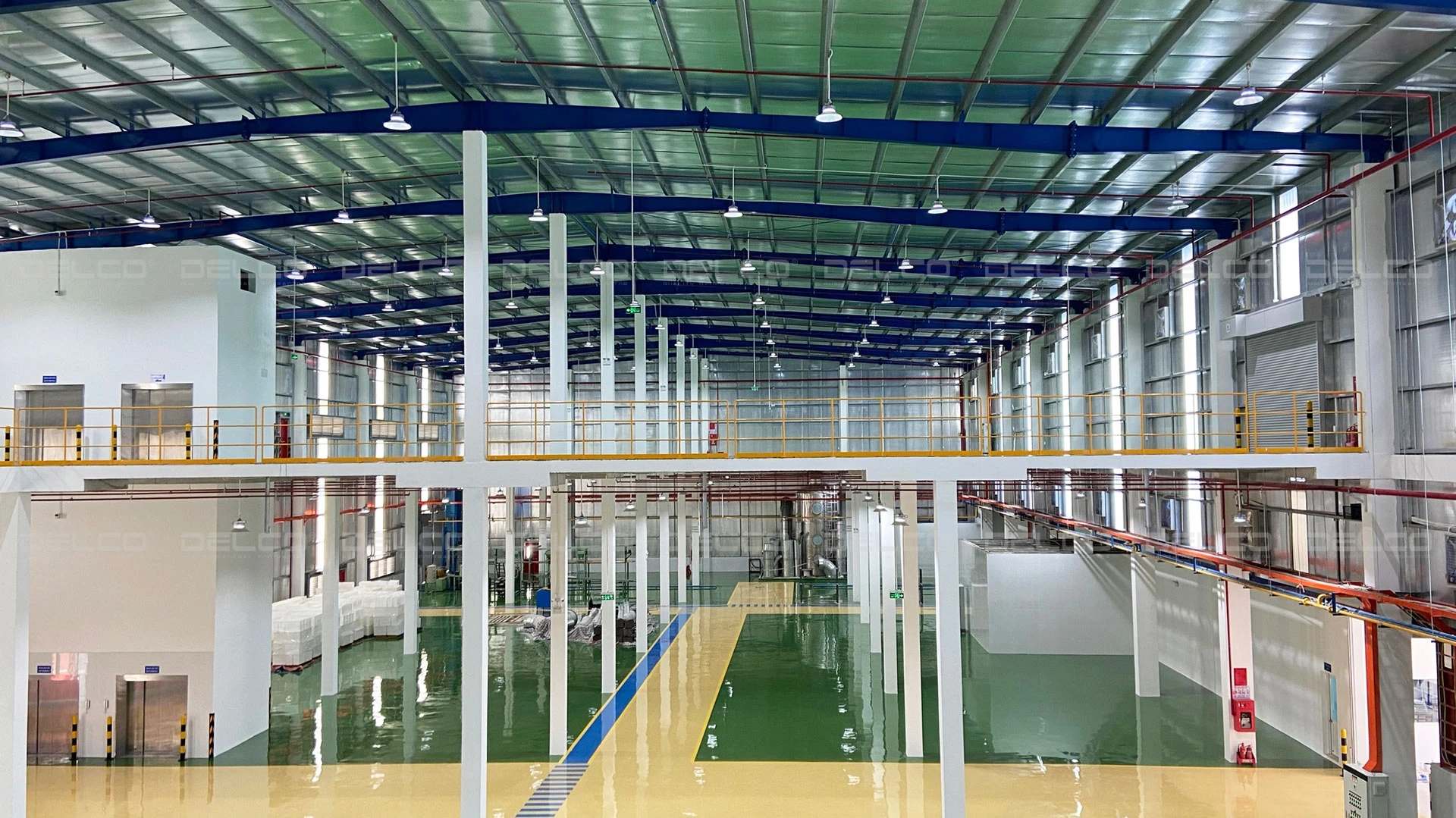

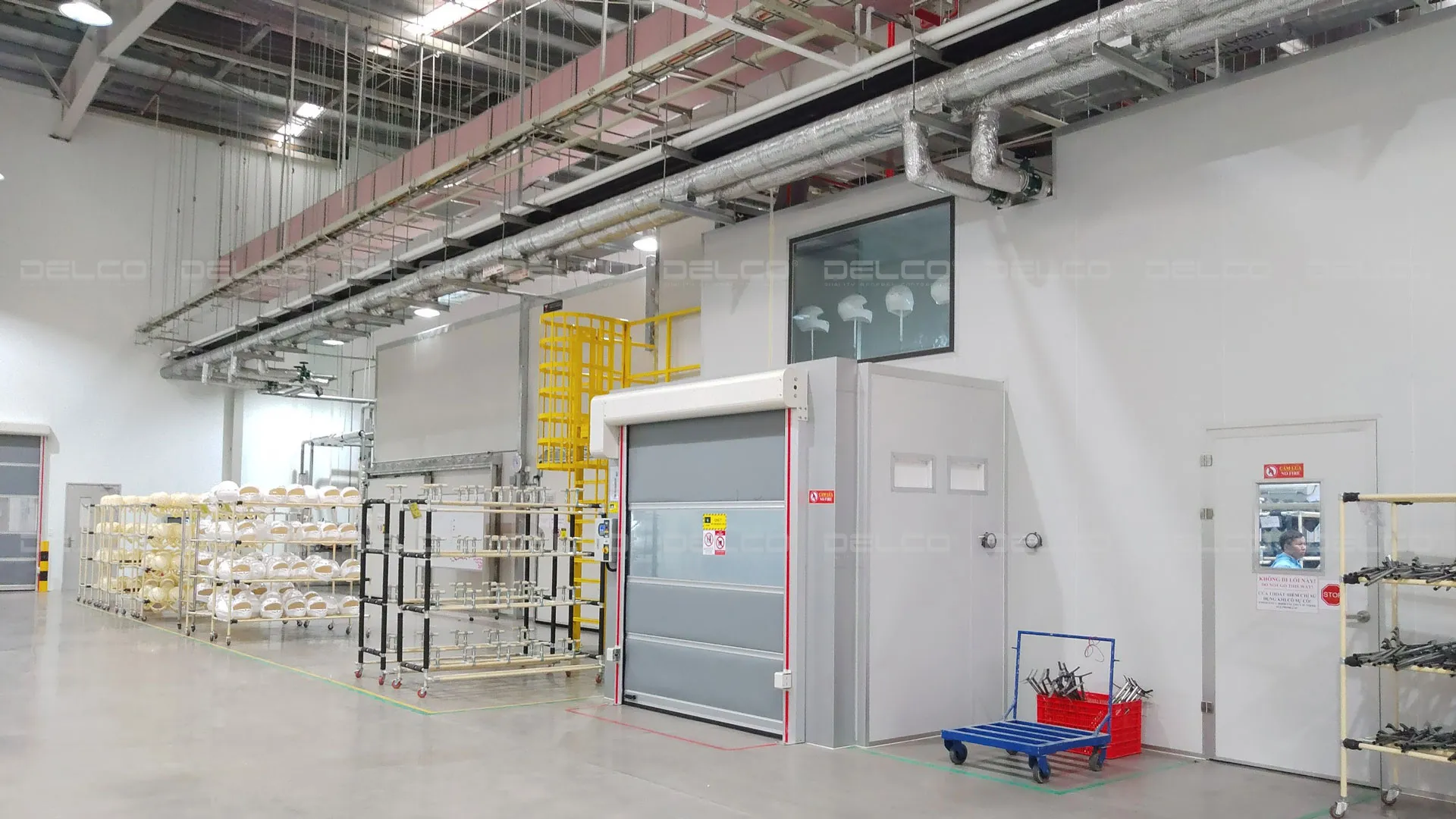
MEP and ESG are not separate concepts in factory development. In practice, ESG effectiveness is directly reflected in how MEP systems operate within specific human and local environmental conditions.
When engineering, operations, and implementation context are aligned within a consistent organizational framework, MEP systems not only deliver performance, but also maintain long-term stability and adaptability throughout the project lifecycle.
From an execution perspective, DELCO approaches MEP systems as a long-term operational platform, where coordination is not merely a technical solution, but a prerequisite for ESG standards to be established and sustained in a practical and measurable way.