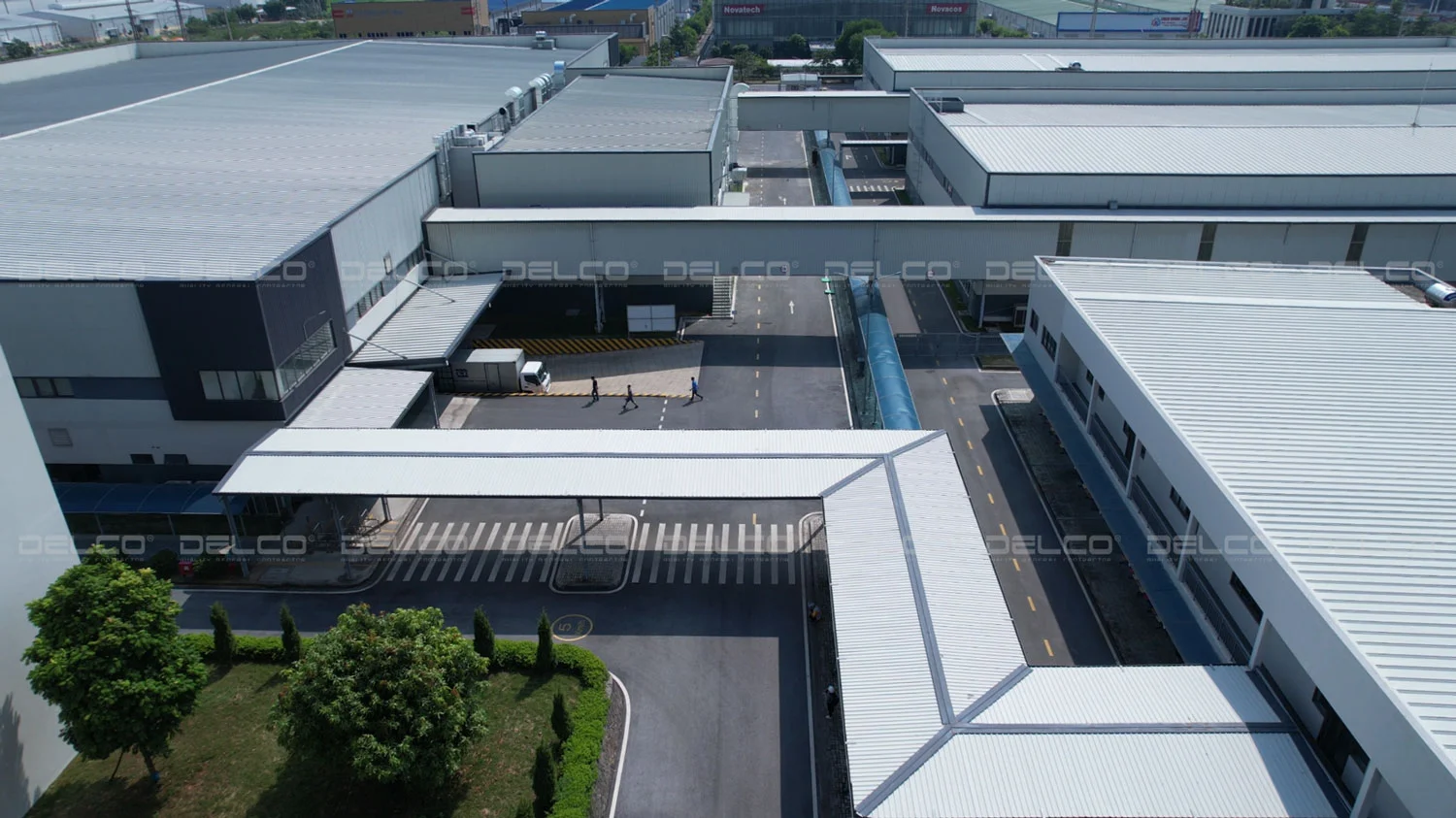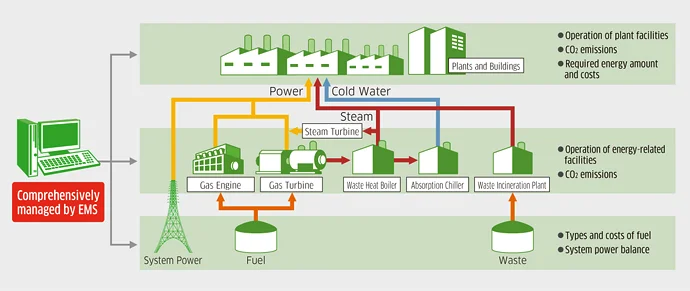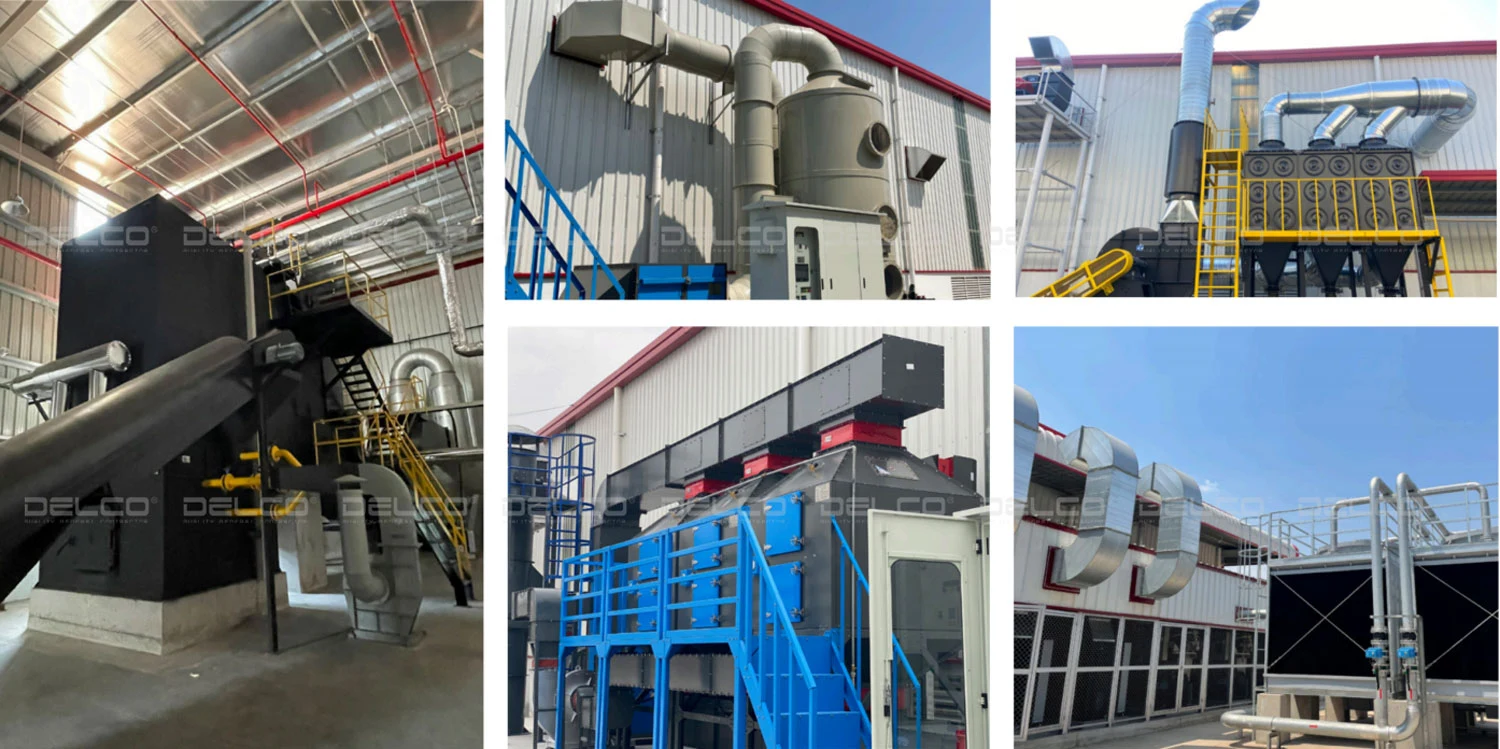


In large-scale industrial factories, the integration of a Building Management System (BMS) only brings real effectiveness when the system is integrated with the right components and for the right operational goals. BMS is not intended to replace human control of production lines, but rather to support monitoring, operational optimization, and energy consumption management of MEP (mechanical, electrical, and plumbing) infrastructure.
Instead of widespread integration, an effective approach is to focus on systems that have a direct impact on the production environment, operational stability, and energy costs.
HVAC system
HVAC is the first and most important system that should be integrated with BMS. In many industrial factories, particularly electronics and pharmaceutical plants, HVAC systems not only determine production conditions but also account for a large proportion of total electricity consumption.
Through BMS, the operating status of AHUs, chillers, VRFs, cooling towers, and temperature and humidity parameters in each area can be centrally monitored. Real-time operational data helps assess the alignment between actual usage load and the system’s operating mode, allowing capacity to be adjusted according to demand instead of being maintained at a fixed level. This not only stabilizes the production environment but also provides a key basis for optimizing energy consumption and early detection of anomalies that may affect product quality.

BMS for HVAC system implemented by DELCO
Technical pump systems
Pump systems are among the most energy-consuming equipment groups, yet they are often not closely monitored during operation. Pump groups such as chilled water pumps, cooling tower pumps, utility water supply pumps, or firefighting pumps directly affect the stability of the factory MEP system.
Integrating pumps into the BMS enables monitoring of run/stop status, operating modes, pressure, and alerts for abnormalities such as overload, dry running, or parameter deviations. For pumps serving HVAC, BMS data helps evaluate the performance of inverters, determine when pumps are running inconsistently with the actual load, and optimize control modes to reduce power consumption. For firefighting pumps, BMS does not interfere with the system’s mandatory safety functions but monitors the readiness status of the main pump, backup pump, jockey pump, and power supply. Centralized monitoring helps technical teams detect abnormalities early during daily operations, reducing risks during actual emergencies.
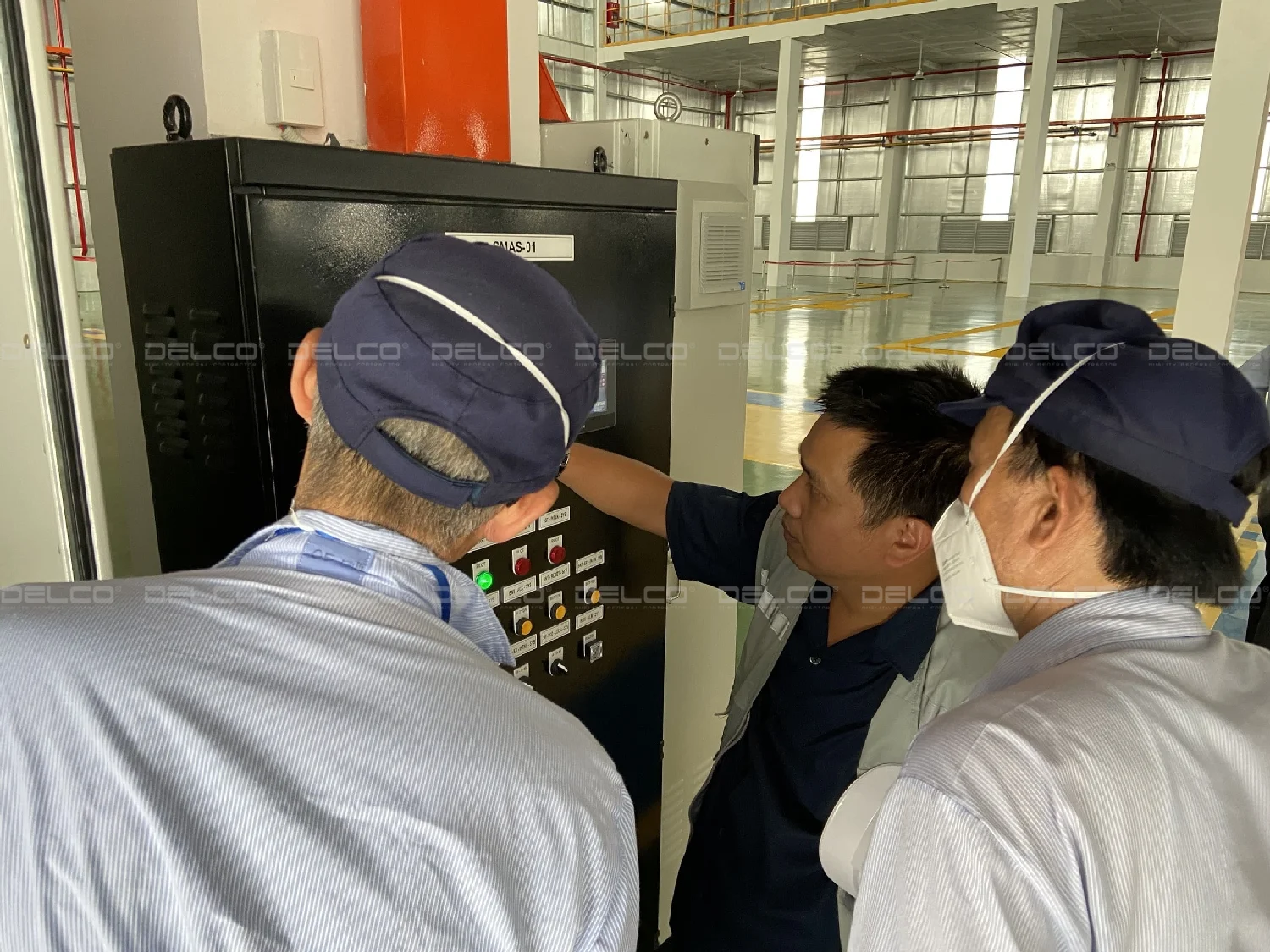
BMS system designed and implemented by DELCO at the GS factory
Electrical and energy monitoring system
For modern industrial factories, the electrical system must not only ensure stable power supply but also be monitored for energy management. Integrating the electrical system into BMS enables monitoring of electrical cabinet status, incident alerts, and data collection of power consumption by area or load group.
This data helps the technical team identify abnormal energy use areas, evaluate the operating efficiency of the HVAC and pump systems, and develop energy optimization plans based on actual figures rather than assumptions or guesswork.
Fire protection system (FAS)
For the fire protection system, BMS does not replace the fire alarm control center and does not interfere with its mandatory safety functions. The role of BMS is to monitor system status and execute necessary technical interlocks—for example, stopping the HVAC or triggering related mechanisms in the event of an incident.
This integration enhances the overall safety level of the plant and supports the technical team in more proactively monitoring and inspecting the fire protection system.

BMS system designed and implemented by DELCO at the GS factory
A practical approach to BMS integration
The value of BMS lies not in the number of systems it integrates, but in its ability to provide useful information for operation and decision-making. An effective BMS focuses on systems that directly impact the plant’s energy consumption, stability, and safety.
Identifying the right systems to integrate from the MEP design phase helps BMS fulfill its role in operational support, optimize energy costs, and improve the long-term reliability of technical infrastructure.
See more: BMS for industrial factories: When is it truly necessary?
See more: 4 Energy-saving Solutions for HVAC systems – 2025
See more: 2025 Smart factory trends in Vietnam